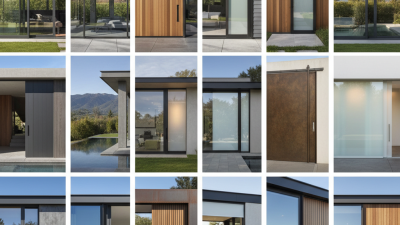
What Are the Benefits of Exterior Sliding Doors?
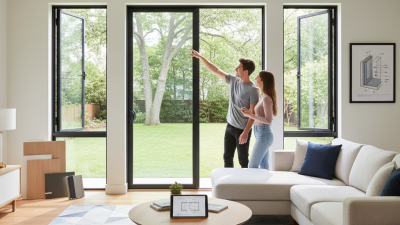
Exterior sliding doors are increasingly popular in modern architecture. These doors provide seamless access to outdoor spaces. According to a recent report by the National Association of Home Builders, exterior sliding doors can increase a home's resale value by up to 5%. This is significant for homeowners looking to invest wisely.
Expert Mark Thompson, a leading figure in the door manufacturing industry, states, "Exterior sliding doors enhance both aesthetic appeal and functionality." His insights highlight the balance of style and practicality. Homeowners appreciate the natural light and ventilation these doors offer.
However, the choice of materials and installation quality can affect performance. Many overlook the importance of proper sealing, which can lead to energy loss. Reflecting on these options is crucial for achieving the ideal home environment. Exterior sliding doors promise numerous advantages but require careful consideration to reap their full benefits.
Advantages of Maximizing Natural Light with Sliding Doors
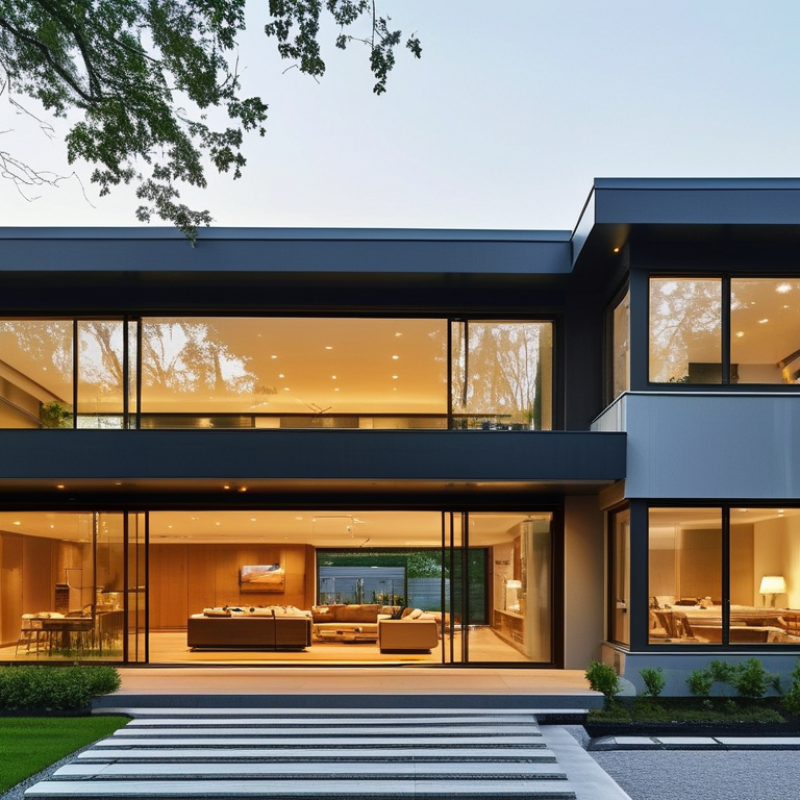
Sliding doors offer a unique way to enhance the flow of natural light into a home. According to a study by the American Society of Interior Designers, homes with ample natural light can improve mood and well-being. Over 60% of respondents reported feeling more energetic and content in sunlit spaces. Consider that many sliding doors are designed with expansive glass panels. This design decision allows light to flood in, creating an inviting atmosphere.
Moreover, maximizing natural light is not only about aesthetics; it can lead to energy savings. The U.S. Department of Energy states that homes utilizing natural light effectively reduce reliance on artificial lighting, which can contribute to lower electricity bills. Additionally, natural light can help regulate indoor temperatures. Well-lit spaces often feel warmer in winter and cooler in summer, enhancing comfort without significant additional costs.
Despite these benefits, it’s essential to consider the drawbacks. Too much sunlight can create glare, making some areas uncomfortable. Furthermore, climate considerations may affect how much light is beneficial in certain regions. Homeowners should weigh these factors carefully when choosing sliding doors for their spaces. Balancing natural light and comfort is critical for creating a harmonious living environment.
What Are the Benefits of Exterior Sliding Doors? - Advantages of Maximizing Natural Light with Sliding Doors
| Benefit |
Description |
| Maximizes Natural Light |
Sliding doors allow for larger glass panels, increasing the amount of natural light that enters a home. |
| Space Efficiency |
They slide open without taking up extra space, making them ideal for smaller areas or homes. |
| Versatile Design Options |
Available in various styles, finishes, and sizes to match different home aesthetics. |
| Enhanced Views |
Provide unobstructed views of the outdoors, creating a seamless connection between indoor and outdoor spaces. |
| Energy Efficiency |
Modern sliding doors often feature energy-efficient glass that helps maintain temperature and reduces energy costs. |
| Increased Home Value |
Installing high-quality sliding doors can enhance the overall value of a property, appealing to potential buyers. |
Improved Indoor-Outdoor Flow from Exterior Sliding Doors
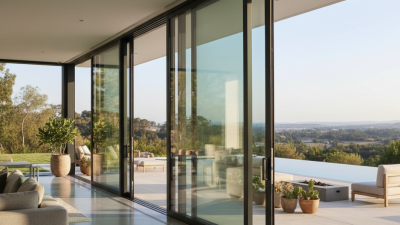
Exterior sliding doors are a popular choice for many homes, enhancing the connection between indoor and outdoor spaces. They provide a seamless transition that can elevate everyday living. When open, they create an inviting environment, perfect for social gatherings or family time. This flow allows natural light to fill the home, impacting mood and energy. It can also give the illusion of a larger space, making rooms appear more expansive.
The design of sliding doors offers versatility. They come in various materials and styles, fitting both modern and traditional aesthetics. However, homeowners may face challenges in maintenance. Tracks can become dirty, impacting door function. Regular cleaning is necessary to keep them operating smoothly. Additionally, some may find privacy an issue, particularly in densely populated areas.
Despite these considerations, the benefits often outweigh the downsides. Enhanced ventilation is another advantage. On pleasant days, sliding doors can be opened to invite fresh air. This can improve indoor air quality. Many people appreciate this balance of nature and comfort. The right choice can transform any space, fostering a connection with the outdoors while maintaining the comforts of home.
Space-Saving Features of Sliding Door Designs
Exterior sliding doors are an excellent option for maximizing space in both residential and commercial settings. They provide a sleek and modern look while eliminating the need for swinging space that traditional doors require. According to the American Institute of Architects, sliding door designs can save up to 15 square feet of interior space in a typical home. This benefit is particularly vital in urban areas, where every square foot counts.
The space-saving features of sliding doors extend beyond mere footprint reduction. Their design allows for larger openings, which promotes a natural flow between indoor and outdoor environments. Studies show that homes with sliding doors often report a 10% increase in perceived living space. This can enhance natural light and improve air circulation, contributing to a more pleasant atmosphere. Additionally, many sliding door models come equipped with energy-efficient glazing options. This not only saves energy but also supports sustainable living.
However, it's important to consider maintenance when installing sliding doors. While their design helps in space utilization, dirt and debris can accumulate in the tracks, impairing functionality. Regular cleaning is vital to ensure smooth operation. Homeowners need to evaluate whether the aesthetics and utility of sliding doors align with their lifestyle and specific needs. Balancing their advantages with the required upkeep is essential for making an informed choice.
Energy Efficiency Benefits of Modern Sliding Doors
Modern exterior sliding doors offer significant energy efficiency benefits. These doors are designed with advanced insulation technology. They help reduce heat loss in the winter and keep cool air inside during the summer. Their dual or triple-pane glass options enhance thermal performance.
Many homeowners appreciate the seamless transition between indoors and outdoors. This design not only provides aesthetic appeal but also minimizes the need for air conditioning or heating. Properly installed sliding doors can result in lower energy bills. However, some may find that initial installation costs are higher than traditional doors.
It's important to consider the long-term investment. While energy-efficient sliding doors can be pricier, the savings on energy can offset these costs over time. Additionally, routine maintenance is key. Poorly maintained doors can lead to drafts and energy waste. Regular checks can help keep them functioning efficiently and securely.
Enhanced Aesthetic Appeal of Your Home with Sliding Doors
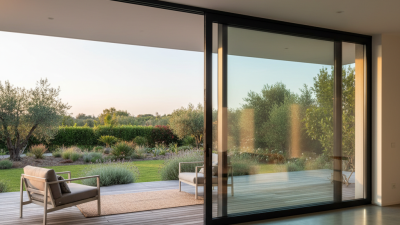
Sliding doors can transform your home’s aesthetic in remarkable ways. These doors create a seamless connection between indoor and outdoor spaces. Natural light floods in, brightening rooms while offering stunning views of your garden or patio. This feature enhances the spacious feel of your living areas. You might find that your home feels more open, inviting, and modern.
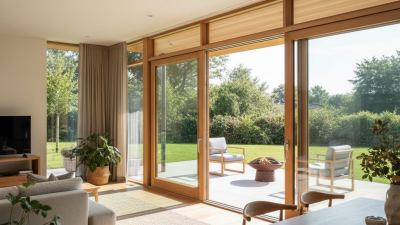
The visual appeal of sliding doors extends beyond their function. They come in various styles and materials, from sleek aluminum to classic wood. Each option can complement your home’s design, whether it leans toward contemporary or traditional aesthetics. However, the choice is not always straightforward. Factors like color, frame style, and glass type should align with your overall design vision.
Yet, achieving your desired look may require adjustments. Sometimes, existing structures or landscaping could limit your options. You may face challenges in installation or need to consider climate conditions in selecting the right materials. Reflecting on these aspects can guide your decisions, ensuring that the added beauty stays consistent with your lifestyle and home environment.