Top Windows and Sliding Doors for Your Home Needs?
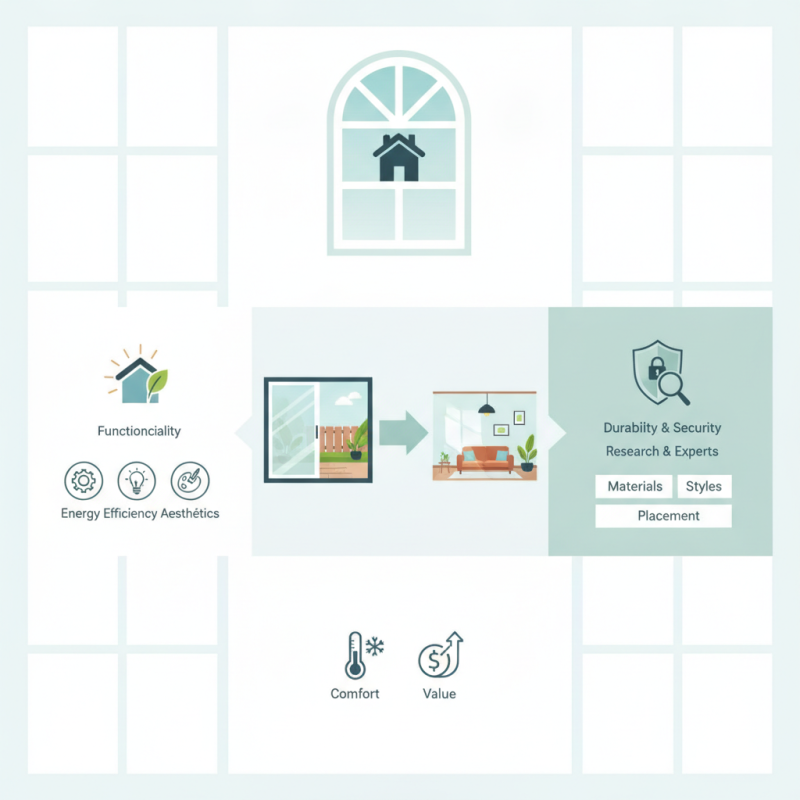
When selecting windows and sliding doors for your home, the options can feel overwhelming. These features significantly impact the aesthetics, functionality, and energy efficiency of your living space. Choosing the right windows and sliding doors requires careful consideration of materials, styles, and placement. Each choice can enhance your home's comfort and appeal.
The ideal windows and sliding doors blend design with practicality. For example, the right sliding door can connect your indoor and outdoor spaces while allowing natural light to flood in. Conversely, poorly selected options can lead to drafts and high energy bills. It's crucial to assess your needs and preferences with a keen eye.
Quality matters when investing in these crucial elements. You want windows and sliding doors that offer durability and security. Researching trusted brands and consulting experts ensures that you make informed decisions. This journey may present challenges, but the reward is a home that truly resonates with your lifestyle.
Types of Windows: Exploring Different Styles and Materials
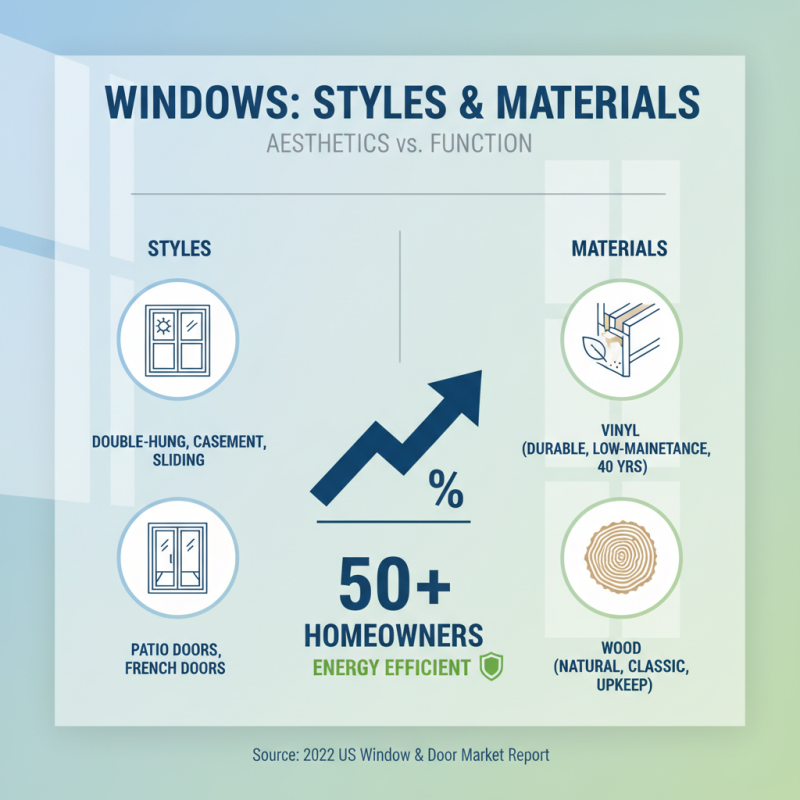
Windows and sliding doors come in various styles and materials, each offering distinct benefits. According to the 2022 U.S. Window and Door Market Research Report, over 50% of homeowners prefer energy-efficient options. Vinyl windows have gained popularity due to their durability and low maintenance. They can last up to 40 years when properly installed. In contrast, wooden windows provide natural aesthetics but require regular upkeep. The choice between aesthetics and functionality often sparks debate among homeowners.
Aluminum frames are also prevalent, making up about 15% of the market share. They are lightweight and resistant to rust. However, their poor insulation can lead to heat loss, which is a concern in colder climates. A recent study revealed that sliding doors, especially those with low-E glass, can improve energy savings by 20%. These features are vital, yet many homeowners overlook them. The importance of understanding materials is significant; an uninformed choice can lead to increased utility costs and additional repairs.
When selecting windows and sliding doors, consider the broader impact on your home’s energy efficiency. High-quality options entail an initial investment, which can yield long-term savings. However, not all products meet expectations or provide the necessary insulation. It's crucial to balance personal style and practicality for optimal satisfaction.
Benefits of Sliding Doors: Space-Saving and Aesthetic Appeal
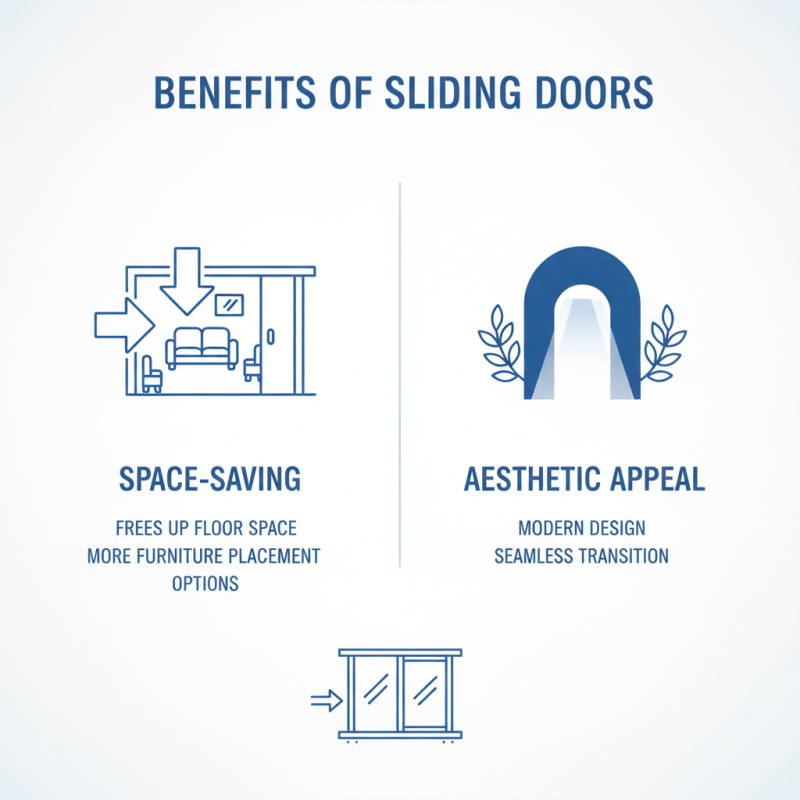
Sliding doors have become a popular choice for many homeowners. They offer numerous benefits, including space-saving features and aesthetic appeal. Unlike traditional doors that swing inward or outward, sliding doors glide along a track. This design frees up valuable floor space. You can place furniture closer without obstruction.
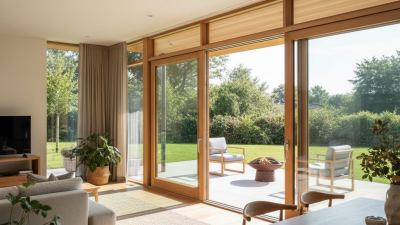
Aesthetic appeal is another key advantage. Sliding doors often feature large glass panels, allowing natural light to flood your home. This creates an open and airy atmosphere. The visual connection to your outdoor space can enhance your overall living experience. When choosing sliding doors, consider the view. A scenic backdrop can elevate your home’s ambiance.
Tip: Ensure proper maintenance to avoid track issues. Clean the tracks regularly for smooth operation. Consider installing retractable screens to enhance airflow while keeping bugs out. Always think about your specific needs and preferences. Not every style suits every home, so reflect on your daily life. You might discover a mismatched style that doesn’t serve your needs. Embrace the journey of finding the perfect doors for your space.
Energy Efficiency: Choosing Windows and Doors for Better Insulation
When selecting windows and sliding doors for energy efficiency, insulation is paramount. Well-insulated windows can significantly reduce heating and cooling costs. Look for double or triple-pane glass. These types hold air between the panes, acting as a barrier against external temperatures. This barrier minimizes heat loss, benefiting your energy bills.
Material choice affects energy efficiency too. Vinyl, fiberglass, and wood all have unique insulation properties. Vinyl is often recommended for its low maintenance and good thermal performance. Consider the design as well; windows with a low U-factor offer better insulation. Furthermore, ensure proper installation to avoid gaps and leaks that can undermine energy savings.
Reflect on your lifestyle. If you live in a noisy area, soundproof windows may matter. Yet, they can be more expensive. Think about the trade-offs you’re willing to make. Always research the best options for your specific climate. Engaging with professionals can provide insights tailored to your home's needs.
Top Windows and Sliding Doors for Your Home Needs
| Type |
Material |
Energy Efficiency Rating |
Insulation Value (R-Value) |
Average Cost ($) |
| Double-Hung Window |
Vinyl |
Energy Star |
3.5 |
300 |
| Sliding Glass Door |
Aluminum |
U-factor 0.30 |
3.0 |
800 |
| Casement Window |
Wood |
Energy Star |
4.0 |
400 |
| Picture Window |
Fiberglass |
U-factor 0.25 |
5.0 |
500 |
Installation Considerations: Professional vs. DIY Approaches
When considering the installation of windows and sliding doors, you face a key decision: hire a professional or attempt a DIY project. Each approach has its pros and cons.
Professionals offer expertise, tools, and experience. This can save you from potential issues down the line. Yet, it often comes at a higher cost.
On the other hand, a DIY project can be rewarding. It allows for personal touch and customization. You could save money and learn valuable skills. However, without proper knowledge, mistakes happen easily.
Misalignment and poor sealing can lead to drafts. It’s essential to assess your own skills honestly before deciding. Consider the tools you have and your available time.
Lastly, strike a balance between your budget and the quality of installation. Research local regulations and ensure compliance with building codes. Seek advice from experienced individuals to avoid common pitfalls. Your choice should reflect your confidence and the importance of the project.
Small errors might lead to bigger problems later.
Maintenance and Care: Keeping Your Windows and Sliding Doors in Top Shape
Maintaining your windows and sliding doors is crucial for both functionality and aesthetics. Regular cleaning is essential. Dust and dirt can accumulate over time. Use a mild soap solution and a soft cloth for the glass surfaces. Avoid abrasive cleaners; they can scratch the glass. Focus on maintaining the frames too. They can wear down from exposure to the elements. A protective sealant may help prolong their lifespan.
Check weather stripping regularly. Damaged seals can lead to drafts and energy loss. Replace any worn sections to improve efficiency. Lubricate sliding doors with a silicone spray. This ensures smooth operation. Pay attention to the tracks as well. Remove any debris that could hinder movement. Maintenance does take time and effort. Without it, you may find yourself facing costly repairs down the road.
Take note of any signs of wear. Cracks in the glass or misalignment in the frames can worsen over time. Addressing these issues promptly can save money later. You might think minor issues are insignificant. However, neglecting them can lead to bigger problems. It’s better to stay proactive in keeping your windows and sliding doors in top shape.
Maintenance and Care: Keeping Your Windows and Sliding Doors in Top Shape