Top Lighting Switch Trends for 2026 What You Need to Know
As we approach 2026, the landscape of lighting technology is evolving rapidly. Lighting Switches are at the forefront of this change. According to recent industry reports, the smart lighting switch market is expected to grow by over 30% annually. This growth is driven by increased consumer interest in energy efficiency and automation.
Lighting switches are no longer just functional devices. They have become integral to smart home ecosystems. Consumers are increasingly looking for features like remote access and energy monitoring. However, with these advancements, there are concerns about user interface complexity and privacy issues. Users need solutions that balance technology with simplicity.
In summary, understanding the trends in lighting switches is crucial. Stakeholders must consider the blend of innovation and reliability. As we gear up for the future, evaluating these factors will be essential for success in the lighting industry.
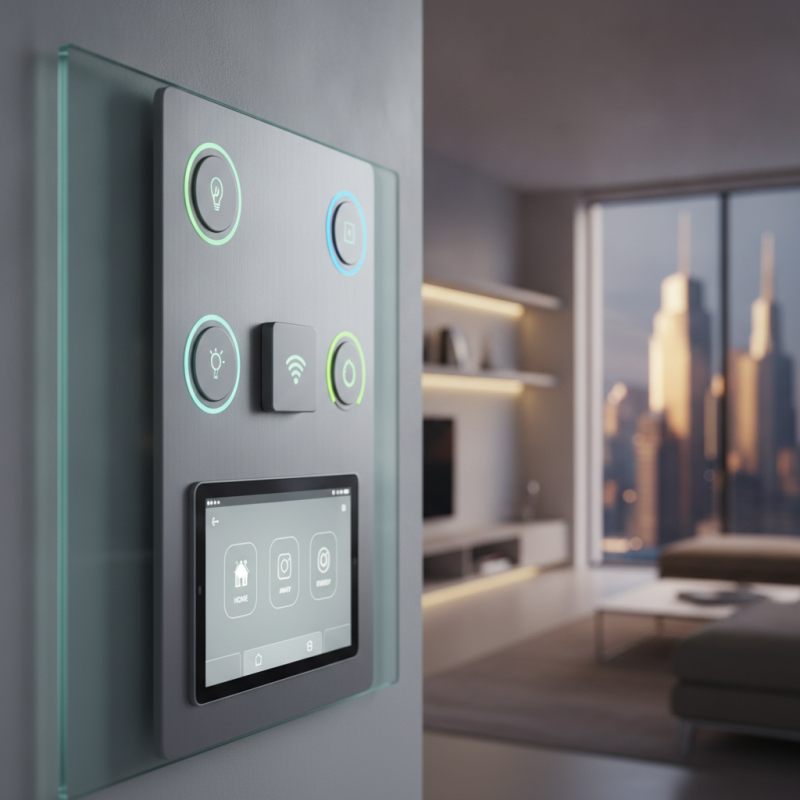
Emerging Technologies in Lighting Switch Design for 2026
As we look ahead to 2026, the landscape of lighting switch design is evolving. Emerging technologies are reshaping how we interact with light in our homes and workplaces. Smart lighting switches are gaining traction. They offer convenience and energy efficiency, enabling users to control their environment through smartphones or voice commands. This trend reflects a growing desire for personalized spaces.
Sensor technology is another hallmark of modern lighting switches. These switches can detect occupancy and adjust brightness accordingly. Imagine lights that automatically dim when the room is unoccupied or brighten when someone enters. While this innovation enhances utility, it also raises concerns about privacy and potential over-reliance on technology.
Furthermore, aesthetic designs are becoming increasingly significant. Minimalist and versatile switches can blend seamlessly into different decor styles. Yet, while striving for sophistication, manufacturers must balance form with function. An overly complex design can create confusion. Users may hesitate to embrace features if the controls feel daunting. Understanding user experience will be critical in navigating this evolving market.
Sustainability: Eco-Friendly Materials and Energy Efficiency Trends
As we look towards 2026, sustainable lighting switch trends will dominate the market. Eco-friendly materials are becoming imperative for manufacturers and consumers alike. A recent report from the Global Sustainability Institute highlights that 75% of homeowners are willing to pay more for energy-efficient products. This shift reflects a growing awareness of environmental impact and climate change.
Recyclable materials are increasingly popular. Manufacturers are integrating sustainable substances like reclaimed wood and bioplastics into their designs. Interestingly, Energy Star reports that energy-efficient switches can reduce energy consumption by 30-50%. This significant reduction can lead to substantial savings and a smaller carbon footprint for households.
Despite these advancements, challenges remain. Not all consumers fully understand the benefits of eco-friendly options. Education is crucial to bridge this gap. Lighting switches made from energy-efficient materials often come at a higher price. This can deter budget-conscious consumers, even if the long-term savings are evident. The path to sustainability requires ongoing dialogue and accessible information for everyone.
Smart Home Integration: The Rise of IoT in Lighting Controls
The landscape of lighting controls is shifting dramatically with the rise of IoT technology. By 2026, the integration of smart home systems will redefine how we manage lighting. Industry reports suggest that over 50% of new homes will feature IoT-enabled lighting controls. This reflects a growing consumer desire for energy efficiency and convenience.
Homeowners increasingly favor automated lighting solutions that adapt to their lifestyles. For instance, studies reveal that 70% of users appreciate the ability to control lighting remotely via smartphones. Furthermore, predictive lighting systems are gaining traction, adjusting brightness based on time of day or occupancy. However, this technology is not without challenges. Concerns over data privacy and potential system vulnerabilities require careful consideration. The balance between convenience and security is a topic of ongoing discussion among experts.
Training and support for consumers are also critical as this technology evolves. Some users struggle with the complexity of setup and integration. Reliable resources and user-friendly designs can help mitigate frustration. As the smart lighting market is projected to reach $20 billion by 2026, addressing these pain points will be essential for widespread adoption. This evolution in lighting control not only enhances comfort but also aligns with sustainable practices, an increasingly important factor for future homeowners.
Top Lighting Switch Trends for 2026
| Trend | Description | Impact on Smart Homes | Year of Adoption | Consumer Interest (%) |
| Voice Activation | Integrating voice control for seamless lighting management. | Enhanced user experience and accessibility. | 2025 | 78% |
| Automated Scheduling | Lights adjust automatically based on user preferences or time of day. | Increased energy savings and convenience. | 2026 | 85% |
| Energy Monitoring | Smart switches that track and report energy usage in real-time. | Promotes sustainability and cost savings. | 2024 | 70% |
| Mobile App Control | Control lighting remotely via smartphone applications. | Convenience and enhanced remote management. | 2023 | 90% |
| Integration with Home Security | Lighting systems coordinated with security features. | Improves safety and home security. | 2026 | 76% |
User Experience Enhancements: Aesthetic and Functional Innovations
As we look ahead to 2026, lighting switch innovation is evolving significantly. User experience is at the forefront. Experts project that user-friendly interfaces will dominate the market. According to a recent report by the Global Lighting Association, around 75% of consumers now prioritize usability features. This shift towards intuitive designs reflects our growing desire for seamless interactions in daily life.
One notable trend is the integration of smart technology into lighting switches. The convenience of controlling lights via smartphone apps is appealing. Research shows that 65% of households already own smart devices, further fueling this trend. However, while these innovations offer aesthetic appeal, accessibility remains an ongoing challenge. Not all users find these technologies easy to navigate. The usability gap must be addressed to ensure everyone can enjoy these advancements.
Another emerging feature is customizable settings. Users want personal control over lighting preferences. Studies indicate that approximately 70% of consumers favor adjustable lighting scenarios. Yet, brands must recognize that not everyone fully understands these options. As companies push boundaries, there is a need for better education on how to utilize these features effectively. Balancing innovation with user-friendly experiences is crucial for success in this evolving landscape.
Safety and Accessibility Features in Modern Lighting Switches
As we move toward 2026, safety and accessibility in lighting switches are becoming increasingly critical. Modern designs incorporate tactile buttons and visual indicators. These features allow users to operate switches easily, even in low-light conditions. Many switches now include Braille labels, catering to individuals with visual impairments. This integration supports inclusivity, ensuring everyone has access to lighting controls.
Furthermore, touchless technology is gaining traction. Sensors detect motion, allowing users to activate lights without physical contact. This minimizes the risk of spreading germs, an essential consideration in today's world. However, challenges remain. Some users may find touchless systems less intuitive. Increased sensitivity can lead to accidental activation, causing frustration. The balance between innovation and user experience is vital for future designs. Regular feedback from diverse user groups is crucial to refine these advancements.