Top Tips for Choosing Wpc Decking for Your Project?
When considering Wpc Decking for outdoor projects, it's essential to understand its growing relevance in the construction field. A 2021 report by Grand View Research indicated that the global WPC market is projected to reach USD 10.4 billion by 2025, reflecting a strong increase in demand. This surge can be attributed to WPC decking's durability, low maintenance requirements, and environmental benefits, making it a preferred choice for homeowners and builders alike.
Choosing the right WPC decking involves several factors that affect performance and aesthetics. Considerations include material composition, warranty terms, and the environmental impact of production methods. For instance, some brands may source their materials sustainably, adding to their appeal. However, not all products meet this standard, necessitating careful research. The potential for fading or warping over time is also a critical area for reflection. Although WPC decking generally performs well in various climates, variations in quality can lead to different outcomes.
Understanding these nuances is vital for making an informed choice. The right WPC decking can enhance outdoor spaces significantly, yet consumer awareness remains crucial. Engaging with industry experts and consulting recent product reviews can further guide selections. This approach ensures that investments in WPC decking are both practical and aligned with personal and environmental values.
Understanding WPC Decking: What It Is and Its Benefits
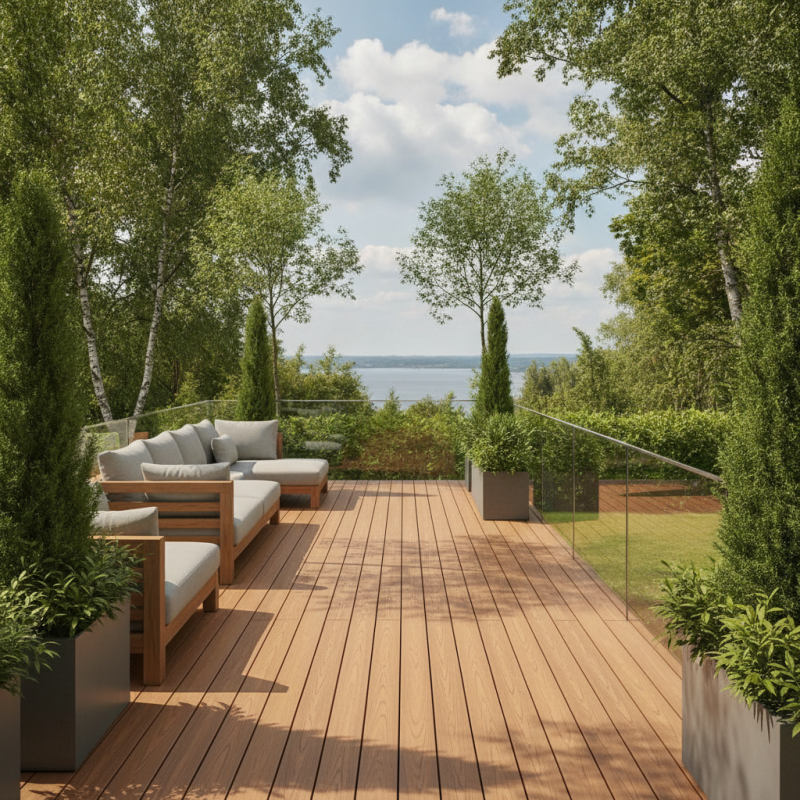
WPC decking, or wood-plastic composite decking, combines natural wood fibers and thermoplastics. This innovative material offers durability and low maintenance, making it increasingly popular for outdoor projects. According to a study by the American Wood Council, WPC decking can withstand harsh weather conditions better than traditional wood. This makes it ideal for various climates.
The benefits of WPC decking are substantial. It resists fading and doesn't splinter, providing a safe area for families and pets. The material is eco-friendly, as it often contains recycled content. A report from the Composite Stair and Railing Association indicates that WPC products can last over 25 years with the right care. However, it's important to monitor how it holds up to intense sunlight, as discoloration may occur over time.
When choosing WPC decking, consider the quality of raw materials used. Some lower-end products might warp or crack sooner. Be cautious and read reviews or consult with professionals. Proper knowledge ensures your investment proves reliable and effective over years of use.
Factors to Consider When Selecting WPC Decking for Your Project
When choosing WPC decking for your project, several factors deserve attention. Start by considering the local climate. Some WPC materials perform better in specific weather conditions. Look for products that offer good resistance to moisture and temperature fluctuations. This is crucial for longevity.
Inspect the texture and color options. WPC decking comes in various designs. Choose a color that complements your outdoor space. A textured surface can provide better grip, making it safer, especially in wet conditions. Evaluating samples can help you visualize how the material fits into your project.
Pay attention to maintenance requirements. Some WPC decking needs less upkeep than traditional wood. However, not all products are equal. Some may fade or require special cleaning. It's important to research these differences. While convenience is appealing, understanding the long-term impact of your choice is essential.
Comparing WPC Decking to Other Decking Materials
When considering WPC decking, it's essential to compare it with other materials. WPC, or wood-plastic composite, offers a unique blend of durability and aesthetics. Unlike traditional wood, WPC doesn't warp or splinter easily. This makes it an appealing choice for outdoor projects. However, it may not provide the same warmth as natural wood.
One key benefit of WPC is its low maintenance. While wood requires regular staining and sealing, WPC simply needs a good wash down with soap and water. This can save time and effort in the long run. Yet, some may find that WPC lacks the authentic feel of real wood. It's important to weigh your preferences when considering these materials.
Consider these tips. Check the slip resistance of WPC decking, especially if you live in a rainy area. Ensure the color and texture match your vision. It’s also wise to look at warranties and reviews. A product with a solid warranty reflects manufacturer confidence. Take your time to analyze your options thoroughly.
Evaluating Durability and Maintenance of WPC Decking Options
When evaluating the durability and maintenance of WPC (Wood-Plastic Composite) decking options, it's vital to consider several key factors. Reports indicate that properly maintained WPC decking can last up to 25 years, making it a reliable choice for outdoor projects. However, the longevity can vary significantly depending on the manufacturing quality and environmental exposure.
WPC decking is designed to withstand harsh weather. It resists rot, mold, and fading. Nonetheless, it still requires regular cleaning to prevent surface buildup. Some users find that periodic maintenance, such as washing with soap and water, can enhance its lifespan. According to industry experts, 30% of WPC deck owners reported issues with fading after two years without maintenance. This statistic highlights the importance of ongoing care.
Additionally, the cost of repairing or replacing damaged decking can be significant. Studies show that neglected WPC decks can suffer from warping, which complicates maintenance. Investing in high-quality materials often pays off in the long run. While WPC options may have a higher upfront cost than traditional wood, the reduced maintenance demands can lead to savings. Selecting the right type of WPC decking for your climate can make a marked difference in performance and overall satisfaction.
Budgeting for WPC Decking: Costs and Long-term Value
When budgeting for WPC decking, understanding both initial costs and long-term value is crucial. Many reports indicate that WPC decking typically ranges from $2 to $10 per square foot, depending on quality and design. In many cases, it costs more upfront than traditional wood decks. However, the durability and lower maintenance costs of WPC make it a worthy investment over time. For instance, a detailed analysis shows that WPC decking can last up to 25 years with minimal upkeep.
Consider the long-term expenses associated with maintenance. Traditional wood requires frequent painting, staining, and sealing, adding up to $1,500 to $3,000 every few years. In contrast, WPC requires less maintenance, reducing future costs significantly. Homeowners report saving up to 30% over the lifespan of their decking when choosing WPC. This figure can be critical when planning your overall budget.
Another factor to consider is the environmental impact. WPC decking is often made from recycled materials, appealing to eco-conscious consumers. While the initial investment may be higher, the potential savings on maintenance and repairs often justify the costs. Balancing upfront pricing with these benefits is essential for making an informed decision.
Budgeting for WPC Decking: Costs and Long-term Value