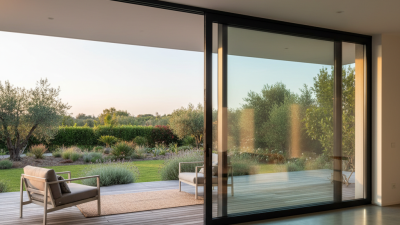
What is a Sliding Door and How to Choose the Best One?
In the world of home design, sliding doors have become increasingly popular. They offer a blend of style and functionality that few other features can match. According to Michael Larson, a leading expert in architectural design, “A sliding door transforms how we interact with our spaces.” This highlights the importance of these doors in enhancing daily experiences.
Choosing the right sliding door can be challenging. Homeowners often face a myriad of options, from materials to styles. Many factors come into play, including space availability and aesthetic preferences. Sometimes, the selection process feels overwhelming. Not every choice yields ideal results, which can be frustrating.
Understanding the core advantages of sliding doors is essential. They save space by opening horizontally, making them suitable for smaller areas. Additionally, they can increase natural light, creating a more inviting atmosphere. Reflecting on these benefits can guide better decision-making in your design process.
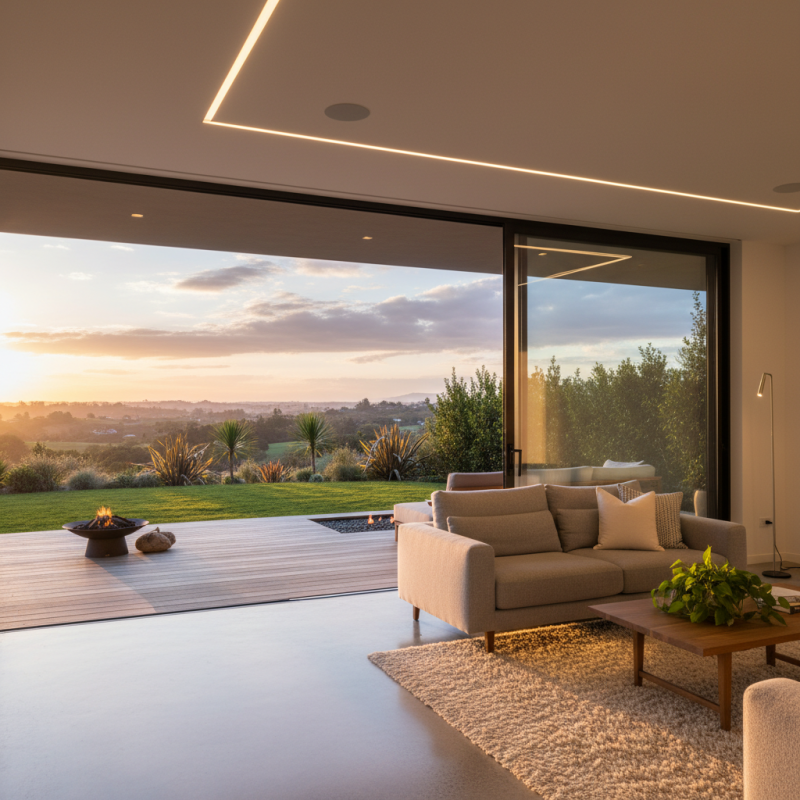
What is a Sliding Door and Its Key Components?
Sliding doors are an innovative architectural choice, blending function and aesthetic appeal. Understanding their key components is crucial for making an informed selection. A typical sliding door consists of several parts: the door panel, tracks, rollers, and handles. The door panel, often made of glass or wood, is paramount. According to the American Architectural Manufacturers Association, glass doors can reduce energy costs by up to 30% when properly insulated.
The tracks and rollers are equally vital. High-quality tracks ensure smooth operation, minimizing wear over time. Rollers need to be durable and capable of supporting the door's weight. Research from the National Association of Home Builders indicates that sliding doors with heavy-duty rollers have a longer lifespan. This means fewer repairs and replacements, a crucial factor for homeowners looking to invest wisely.
Functionality is essential in choosing a sliding door, but aesthetics shouldn't be overlooked. The door should complement the space. Consider factors like color, finish, and the view it frames. A poorly chosen design can clash with interior decor. Balance is key; while form is important, so is function. Reflecting on your choices can help you find a sliding door that resonates with both practicality and style.
Types of Sliding Doors: A Comprehensive Overview
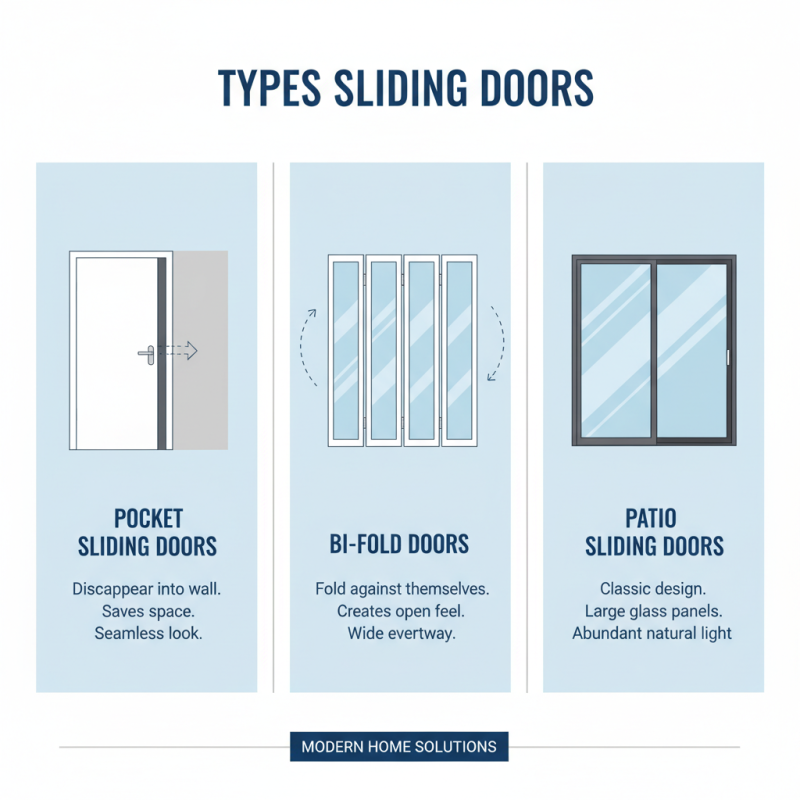
Sliding doors come in various types, each suitable for different needs and spaces. Pocket sliding doors seamlessly disappear into the wall, saving space. Bi-fold doors fold back against themselves, creating an open feel. These options work well in modern homes.
Another popular choice is the traditional sliding glass door. This type allows ample natural light into homes. However, it may require careful cleaning and maintenance. For added security, consider reinforced glass options. Every type has its pros and cons, and selecting the right one is vital.
When choosing a sliding door, think about your space and style. Measure the area accurately to ensure compatibility. Consider the door material, too; wood offers a warm feel, while aluminum is sleek and modern. Each choice impacts aesthetics and functionality. Reflect on your daily use to make a well-informed decision.
Benefits of Installing a Sliding Door in Your Space
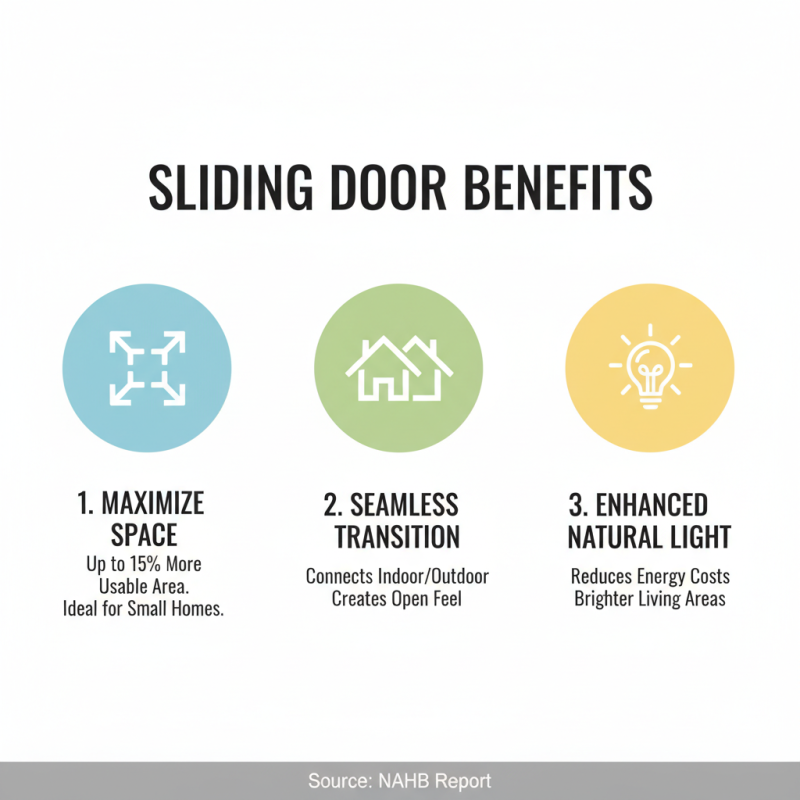
Sliding doors have gained popularity in modern homes due to their unique benefits. One major advantage is their ability to maximize space. According to a report by the National Association of Home Builders, sliding doors can increase the usable area in a home by up to 15%. This efficiency is particularly important in smaller living spaces. They can seamlessly connect indoor and outdoor areas, creating the illusion of a larger environment.
In addition to space-efficiency, energy savings cannot be overlooked. Studies from the U.S. Department of Energy reveal that sliding doors can enhance natural light. Properly installed sliding doors can reduce heating and cooling costs by 10% to 20% due to the increased influx of sunlight. This benefit underlines the importance of choosing efficient, quality materials when selecting a sliding door.
However, not all sliding doors are created equal. Poor installation or low-quality products can lead to issues such as drafts and noise. Homeowners need to consider the long-term implications of their choices. It may be beneficial to consult with professionals to ensure a proper selection that maximizes the benefits of sliding doors. A sliding door can be a wonderful addition, but it requires careful consideration and planning to realize its full potential.
Factors to Consider When Choosing a Sliding Door
When selecting a sliding door, several key factors should be considered. The material is crucial. Common options include wood, glass, and vinyl. Each one has its pros and cons. For example, wood offers warmth and charm, but it needs regular maintenance. Glass creates an open feel but can be less secure. Think about your climate. A well-insulated door can help with energy efficiency.
Size and installation are also vital. Measure your space accurately. The door must fit well without any gaps. Consider the opening mechanism. Some sliding doors have a more straightforward glide than others. Prices vary widely, so budgeting is essential. High-quality doors may have a higher upfront cost but can save money long-term.
Aesthetics matter, too. The right door enhances your home's style. Research before making a decision. Look at photos, read reviews, and consult professionals if needed. Remember, the best choice reflects your needs and environment. Pay attention, as an ill-fitting door can lead to drafts and security issues. Assess your options carefully before buying.
Maintenance Tips for Keeping Your Sliding Door in Top Shape
Maintaining a sliding door is essential for ensuring its longevity and smooth operation. Regular cleaning is crucial. Dust, dirt, and debris can accumulate in the tracks, causing the door to stick or jam. Use a vacuum or a dry cloth to remove loose particles. For deeper cleaning, a damp cloth with mild soap can effectively wipe the tracks.
Check the rollers periodically. If they are misaligned, the door may not operate smoothly. Adjusting the rollers can be a straightforward task. However, if they show signs of wear or damage, consider replacing them. Lubrication is vital too. Use a silicone-based lubricant on the tracks. Avoid oil-based products, as they can attract dirt.
Weatherstripping is often overlooked but plays a significant role. It keeps out drafts, moisture, and pests. Inspect the weatherstripping for any signs of wear and replace as necessary. Also, it's important to observe the door frame for any warping or damage. This can affect how well the door closes. Addressing these issues promptly is wise. Neglect can lead to bigger problems down the line.
What is a Sliding Door and How to Choose the Best One? - Maintenance Tips for Keeping Your Sliding Door in Top Shape
| Dimension |
Details |
| Material |
Glass, Vinyl, Wood, Metal |
| Types |
Traditional, Pocket, Bypass, Bi-fold |
| Size Options |
Standard 6-8 ft height, Width varies based on design |
| Energy Efficiency |
Low-E glass, Insulated frames |
| Security Features |
Multi-point locks, Shatter-resistant glass |
| Maintenance Tips |
Regular cleaning, Lubricate tracks, Check seals |
| Cost Range |
$300 to $3000 depending on the type and material |