How to Install a Sliding Back Door in Your Home?
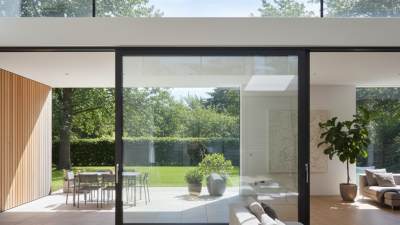
Installing a sliding back door can enhance your home’s functionality and aesthetic. It creates a seamless transition between indoors and outdoors. A well-placed sliding back door allows for ample natural light, bringing warmth into your home. However, proper installation is crucial for optimal performance.
This process may seem daunting at first. Decisions need to be made about door materials, styles, and sizes. You might need assistance, especially if you’re unfamiliar with home improvement tasks. For some, the idea of handling tools can be intimidating. Mistakes often happen, and it’s okay. Learning from them can lead to better skills in the future.
Ultimately, a sliding back door can transform your living space. It opens up possibilities for entertaining or simply enjoying your yard. Approach the installation process with patience and an open mind. Embrace the bumps along the way; they are part of the journey.
Choosing the Right Sliding Back Door for Your Home
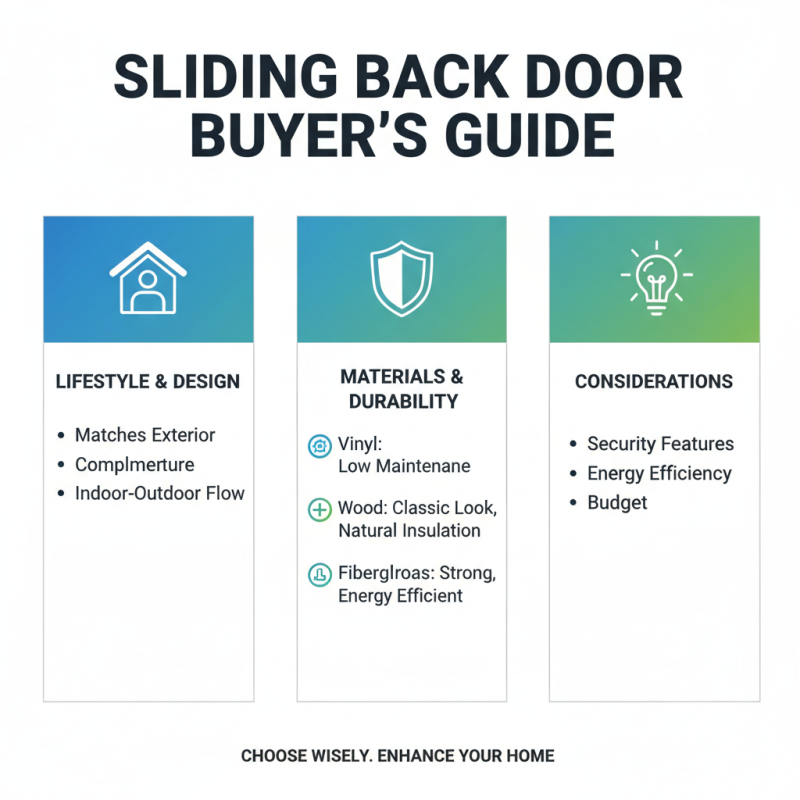
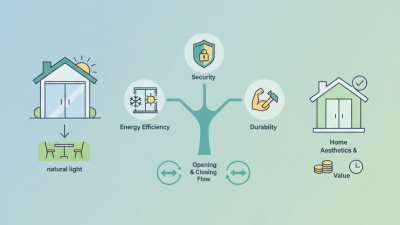
When choosing the right sliding back door for your home, consider your lifestyle needs. The design should complement your exterior. It’s essential to match the door style with your house architecture. Think about materials as well. Options like vinyl, wood, or fiberglass offer different aesthetics and durability levels.
Tips: Look for energy-efficient models. They can help lower heating and cooling costs. Take your time choosing colors and finishes to ensure they blend well with your home. Sturdy hardware can make a difference in performance. Don't rush; a good fit is vital.
Be mindful of security features. Sliding doors can be vulnerable, so check for strong locking mechanisms. Consider additional security measures if necessary. Measure the opening accurately before purchasing. Erroneous measurements can lead to wasted time and money. It's a frustrating experience. Always double-check before finalizing choices.
Preparing Your Home for Installation
Preparing your home for the installation of a sliding back door requires careful planning and consideration. This process is not just about the door itself; it involves creating a suitable environment for a successful installation. According to industry reports, improper preparation can lead to significant project delays. It’s estimated that 20% of home renovations face setbacks due to poor planning.
Start by measuring the opening where the sliding door will be installed. Ensuring accurate measurements is crucial. A door that is too large or too small can complicate the installation process. Make sure to check for any obstacles within the designated area. Consider proximity to outdoor furniture or landscaping features. Clear any debris that might interfere during installation.
Next, assess the structural integrity of the surrounding wall. A survey by home improvement professionals indicated that nearly 15% of installations encounter issues due to weak framing or water damage. Reinforce the structure if necessary. Review local building codes to ensure compliance. These steps may seem tedious, but they are vital for a smooth installation. Delays caused by overlooked details can be frustrating.
Installation Time Estimates for Sliding Back Doors
Step-by-Step Guide to Removing the Old Door
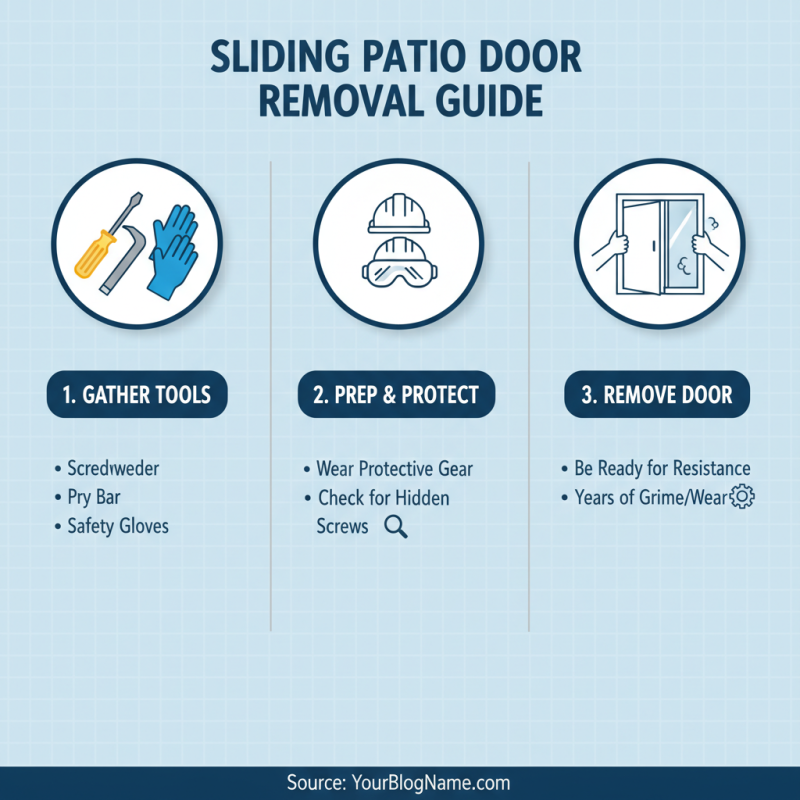
Removing an old sliding back door can be a straightforward yet challenging task. Start by gathering your tools. You’ll need a screwdriver, pry bar, and safety gloves. Make sure to wear protective gear to avoid injuries. It's essential to check the door for any hidden screws or fasteners, which can be tricky to find. As you remove the door, be prepared for resistance due to years of wear and grime.
Carefully detach the screws holding the door frame. If the frame is stuck, gently use the pry bar. This might require a little elbow grease. You may encounter some stubborn areas. Take your time and don't rush this part; hasty moves can lead to damage. Once the frame is free, lift the old door out. It might take some maneuvering, especially if it's long or heavy. Be cautious about your footing during this process.
After the door is removed, inspect the opening. Look for any signs of rot or damage on the frame. It’s common to find surprises here. Dealing with these can delay your project but addressing them is vital. Consider if you need additional repairs before proceeding with the new installation. Taking a moment to reflect on these details will help streamline your installation process later.
Installing the New Sliding Back Door
Installing a new sliding back door can enhance both functionality and style in your home. Choosing the right door is vital. Measure your existing opening carefully. A mismatch can lead to installation headaches. Consider the type of glass and frame that suits your needs. Double-pane glass can offer better insulation. Keep in mind the color and finish to match your home’s decor.
When it's time for installation, gather the necessary tools. You’ll need a level, a drill, and a tape measure. As you remove the old door, be cautious. Check for any damage around the frame. If you notice rot or mold, addressing this early is crucial. It could save you from more significant problems later. Securely place the new door in the opening. Ensure it slides smoothly. You may encounter some challenges; adjustments might be necessary. Patience is essential during this step.
How to Install a Sliding Back Door in Your Home? - Installing the New Sliding Back Door
| Step |
Description |
Estimated Time (Hours) |
Required Tools |
Safety Tips |
| 1 |
Measure the opening |
1 |
Tape Measure |
Wear safety glasses |
| 2 |
Purchase the new sliding door |
2 |
None |
Ensure correct dimensions |
| 3 |
Remove the old door |
1 |
Screwdriver, Hammer |
Watch out for falling debris |
| 4 |
Prepare the opening |
1.5 |
Level, Shims |
Use gloves for sharp edges |
| 5 |
Install the new sliding door |
2 |
Drill, Screwdriver |
Ensure door is secure |
| 6 |
Test the sliding mechanism |
0.5 |
None |
Check for smooth operation |
| 7 |
Finish with weatherproofing |
1 |
Caulk, Weather Stripping |
Follow product instructions |
Sealing and Finishing Touches for Optimal Performance
When installing a sliding back door, sealing is paramount. A well-sealed door can reduce energy costs by up to 30%, according to the Department of Energy. Proper sealing prevents drafts and moisture ingress. A gap of even 1/16 inch can lead to significant heat loss.
For optimal performance, use weatherstripping around the door frame. Self-adhesive strips are easy to apply. They provide a snug fit that keeps elements outside. Additionally, apply caulk to fill any cracks. This can enhance your door's insulation properties. Remember to choose caulk that is suitable for both interior and exterior use.
Tips: Always check the door's alignment. If the door doesn't slide smoothly, it may not seal properly. Additionally, inspect the rollers and tracks for debris. Regular maintenance increases the lifespan of your door. Pay attention to the finish as well. A quality finish not only enhances aesthetics but also protects against wear. A fresher coat can mean fewer repairs.
Despite these steps, imperfections can arise. Weather stripping can wear out over time. Regular checks are necessary to ensure optimal door performance. Don't overlook simple adjustments. Even small changes can make a big difference.