10 Essential Tips for Choosing the Right Single Patio Door
Choosing the right single patio door can significantly enhance your home’s aesthetic and functionality. According to the Door and Window Manufacturers Association, about 70% of homeowners prioritize energy efficiency when selecting doors. A well-chosen single patio door can lead to notable energy savings, especially in extreme climates.
Expert Mark Johnson emphasizes that "a single patio door should complement your home’s style while providing security." This insight highlights the importance of both aesthetics and safety in the decision-making process. Finding a balance between visual appeal and practical features can be challenging.
Consider materials, styles, and sizes carefully. You might be drawn to a beautiful design, but it’s essential to evaluate its durability. Many doors look great but offer little in terms of weather resistance or security. Reflect on your specific needs to avoid potential regrets later.
Understanding the Different Types of Single Patio Doors Available
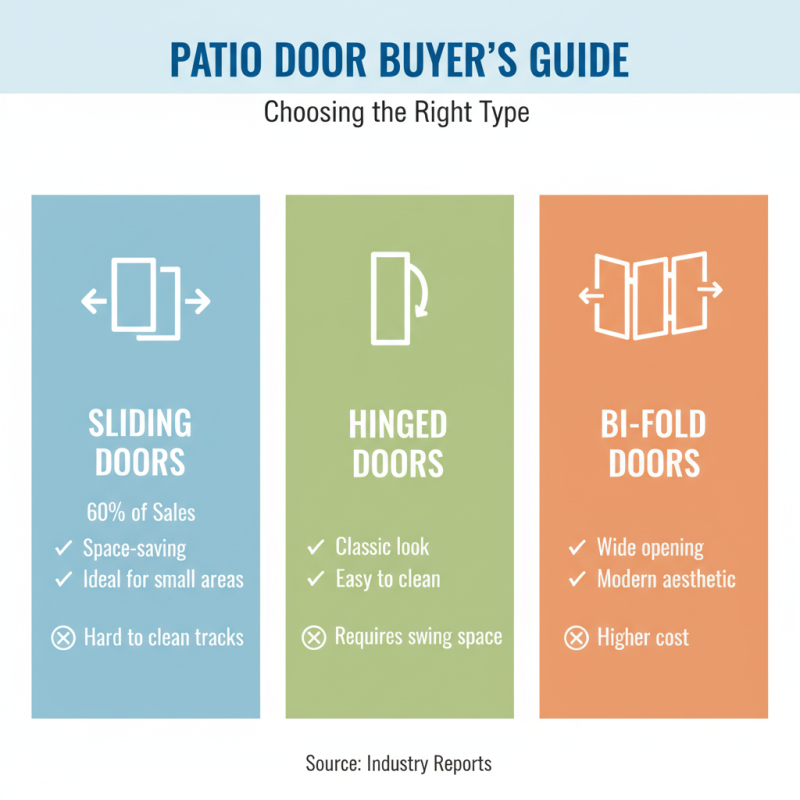
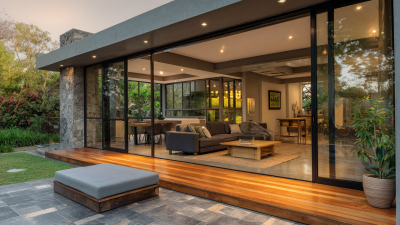
Choosing a single patio door requires understanding the types available. The main options include sliding doors, hinged doors, and bi-fold doors. According to industry reports, sliding doors account for 60% of patio door sales. Their space-saving design makes them ideal for smaller areas. However, they can be challenging to clean and maintain due to their tracks.
Hinged patio doors are a traditional option, offering a classic look. They swing open, providing a wider opening than sliding doors. However, they require ample space to operate, which may not suit all homes. Bi-fold doors are popular for those wanting to create a seamless indoor-outdoor experience. They can open completely, but installation can be complex and costly. It's crucial to weigh these aspects against your needs and budget.
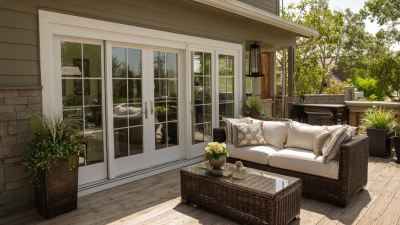
Less popular options do exist, like French doors, which feature multiple panes. While visually appealing, they may not fit every style or modern home. Additionally, energy efficiency should play a role in your decision-making. Some doors offer better insulation than others, affecting heating and cooling costs. Researching energy ratings can be beneficial here. Consider all these factors before making your choice.
Assessing Energy Efficiency Ratings for Optimal Performance and Savings
When selecting a single patio door, energy efficiency remains crucial. According to the U.S. Department of Energy, doors can account for up to 25% of heating and cooling costs. Choosing a door with high energy efficiency ratings is key to reducing these expenses. Look for at least an ENERGY STAR label. This designation indicates that the door meets specific energy efficiency criteria, which can save homeowners an average of 10-15% on energy bills per year.
Understanding the ratings is also essential. The National Fenestration Rating Council provides benchmarks for energy performance. Focus on U-factor and Solar Heat Gain Coefficient (SHGC). The U-factor measures insulation effectiveness. A lower U-factor indicates better insulation. Ideally, look for a rating below 0.30. The SHGC indicates how much solar heat is transmitted. A lower SHGC means less heat gain, which is valuable in warmer climates. It's worth noting that not all doors achieve these benchmarks. Realizing this can help shoppers avoid poor investments.
Quality materials matter too. Vinyl and fiberglass offer better insulation than aluminum. Yet, not everyone knows this distinction. Some homeowners may choose aesthetics over energy savings. This could lead to higher costs in the long run, especially if HVAC systems work harder. Balancing style and performance is essential for a sustainable choice.
Energy Efficiency Ratings of Single Patio Doors
This chart illustrates the energy efficiency ratings for various criteria related to single patio doors. Higher ratings indicate better energy performance, which can lead to significant savings on energy bills and improved comfort in the home.
Considering Security Features to Protect Your Home with Patio Doors
When choosing a patio door, security features should be a top priority. Many homeowners don’t realize how vulnerable these access points can be. Sliding doors, for instance, can be an easy target for intruders. Considering multi-point locking systems can enhance security. These locks provide better reinforcement than standard latches.
Additional features like tempered glass add another layer of protection. This glass is more difficult to break and reduces the risk of injury. Homeowners should also evaluate the design of the door frame. A sturdy frame can resist forced entry. Reinforced hinges are another important aspect that should not be overlooked. They can make a significant difference.
Remember, security is not just about the hardware. The placement of your patio door can also be crucial. Avoid placing it in isolated areas where potential intruders might feel hidden. Lighting around the entrance can deter unwanted guests. Investing in a good quality patio door is not just about aesthetics; it’s about protecting your home. A good door combines form and function, striking a balance between beauty and security.
Evaluating Material Options: Vinyl, Wood, and Fiberglass Comparisons
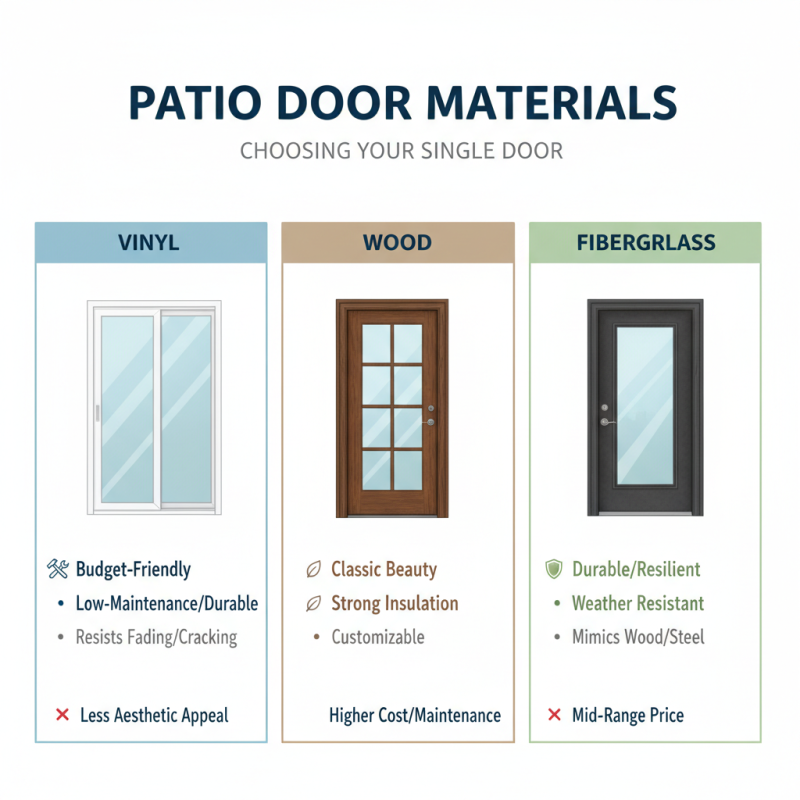
When choosing a single patio door, material plays a crucial role. Vinyl, wood, and fiberglass are popular options, each with its unique pros and cons. Vinyl doors are often budget-friendly and low maintenance. They resist fading and cracking. However, they may not provide the same level of aesthetics as wood.
Wood doors offer a classic look. They can be customized to match your home’s decor. Nevertheless, they require regular maintenance to prevent rot and warping. This might lead to extra costs over time. Reflect on whether you can commit to such upkeep.
Fiberglass doors are durable and energy-efficient. They imitate wood's appearance while being resistant to damage. However, they can be more expensive initially. Analyze your needs and budget carefully.
Here are some tips: Always consider your local climate when selecting materials. A door that works well in one region may not be suitable for another. It’s important to check energy efficiency ratings, too. Many overlook this aspect, resulting in higher utility costs. Lastly, think about security features; a beautiful door is useless if it's easy to breach.
Measuring Your Space Accurately for Perfect Door Fit and Functionality
When selecting a single patio door, accurate measurements are crucial. According to industry reports, 75% of homeowners experience issues due to incorrect sizing. A door that is too large may not fit in the frame, while one that's too small creates gaps, leading to energy loss. Use a level and tape measure to determine the exact height and width of the door opening. Be sure to measure at multiple points to catch any inconsistencies in the frame.
Consider the floor level as well. A poor transition from the door to the floor can cause water infiltration over time. Reports indicate that improper installation is a leading cause of door maintenance issues. Additionally, you might want to consider the type of flooring outside your patio. If it’s uneven, it can impact the door’s performance and lifespan. Properly measuring your space sets the foundation for a seamless installation.
Lastly, don’t forget to factor in factors like weather stripping and framing. Industry experts recommend an allowance for these components. Even a small oversight can affect operation and efficiency. Knowing the details can save you time and money. Investing time in accurate measurements now can lead to a considerable difference in the functionality of your patio door.