How to Choose the Right Sliding Back Door for Your Home?
Choosing the right sliding back door for your home is essential for functionality and aesthetics. This important feature can enhance your living space while providing easy access to your backyard or patio. Consider the style, material, and energy efficiency of the sliding back door you select. Each choice affects not just the look of your home but also your comfort.
Many homeowners overlook the significance of security and durability when selecting a sliding back door. An attractive door may present an inviting appearance, yet it should also stand up to weather conditions and unwanted entry. The frame material, whether wood, vinyl, or aluminum, plays a crucial role in the door's performance. Establishing a balance between style and security can be a challenge, but it's vital for long-term satisfaction.
Reflecting on the available options can be overwhelming. Visit stores and see how the doors operate in real life. Take your time understanding the differences. Key features like sliding mechanism and locking systems must not be neglected. A well-chosen sliding back door serves your home and lifestyle, blending beauty with practicality.
Factors to Consider When Choosing a Sliding Back Door for Your Home
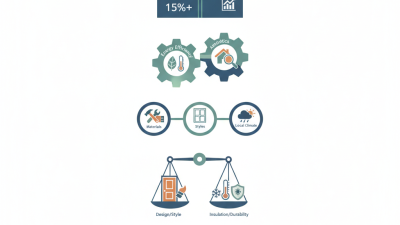
Choosing the right sliding back door involves several considerations. First, assess the material. Vinyl and fiberglass options often offer better insulation, while aluminum may be more durable. According to a report from the National Association of Home Builders, insulated sliding doors can reduce heating and cooling costs by up to 15%. This means that while the upfront cost may be higher, the long-term savings could be substantial.
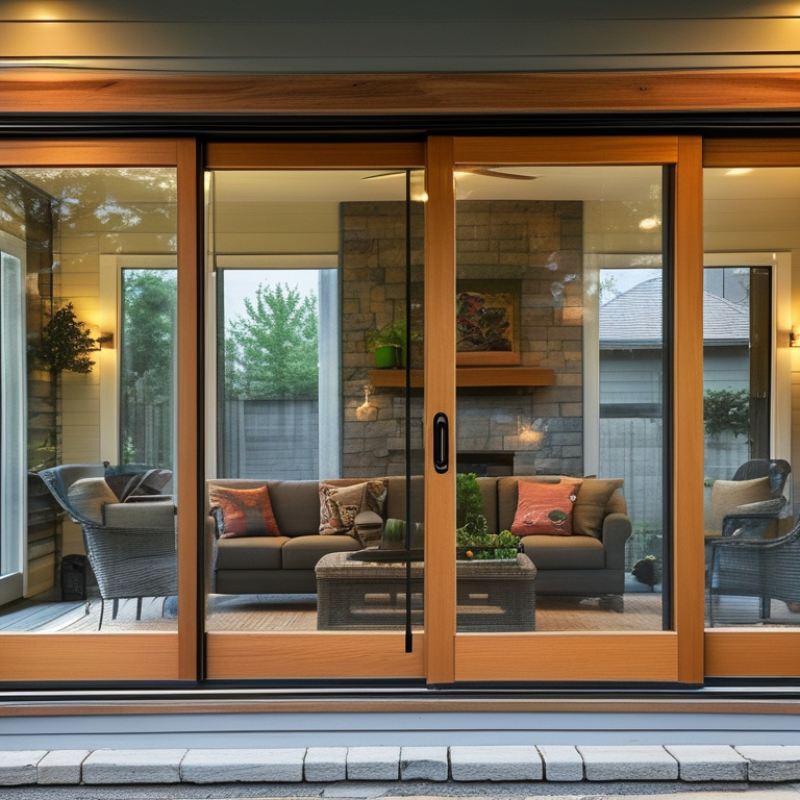
Next, evaluate the size and style. Custom sizes may fit perfectly but increase expenses. A standard size can save money, but might limit design choices. Consider aesthetic appeal alongside functionality. Natural light is essential in many homes. A sliding door with large glass panels can brighten a space significantly. However, larger doors may also risk energy efficiency if not properly sealed.
Don’t overlook safety features. Many sliding doors now come with multi-point locking systems for added security. However, these systems can sometimes fail if not correctly maintained. Random failures can put your home at risk. Delving into user reviews or consulting with professionals can help uncover common issues. This way, homeowners can avoid potential pitfalls and make a more informed choice.
Different Types of Sliding Back Doors and Their Benefits
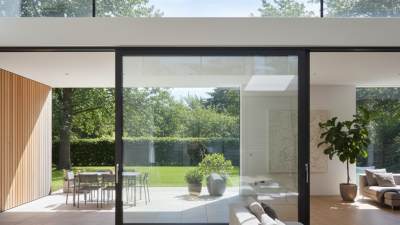
Sliding back doors are an excellent choice for homeowners looking to enhance their living space. They offer ample natural light and seamless access to outdoor areas. There are several types to consider, each with unique benefits. For instance, traditional sliding glass doors are popular due to their large glass panels. Research from the American Society of Interior Designers indicates that homes with more natural light increase perceived value by 15%.
Another option is the bi-fold sliding door. These doors open fully, creating an unobstructed connection to patios or gardens. According to the National Association of Realtors, homes with outdoor living spaces can yield up to a 55% return on investment. This flexibility can transform gatherings and provide a more inviting atmosphere.
Additionally, vinyl sliding doors can offer energy efficiency. They can help reduce heating and cooling costs by up to 30%, depending on installation and design. Homeowners should reflect on their priorities, such as aesthetics and energy savings, before making a decision. It is essential to weigh durability against cost, as some materials may require more maintenance. Ultimately, the type of sliding back door selected can significantly impact the functionality and appeal of a home.
Materials Options for Sliding Back Doors: Pros and Cons
When selecting a sliding back door, the material plays a significant role. Different materials offer various benefits and drawbacks.
Vinyl doors are popular due to their low maintenance needs and energy efficiency. They resist moisture and don’t warp easily. However, they may lack the elegance of wood or aluminum options.
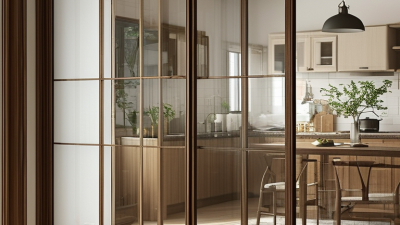
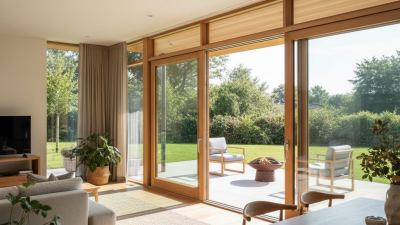
Wooden sliding doors bring warmth and aesthetic appeal. They can enhance the overall look of your home. Yet, they require more maintenance. Regular sealing and painting are necessary to prevent weather damage.
Aluminum doors provide modern styling and exceptional durability. They resist rust and are easy to clean. The downside? They can conduct heat and cold, possibly impacting energy efficiency.
Consider the climate in your area before deciding. Choose a material that withstands local weather conditions. Reflecting on your lifestyle is essential too. If you have pets or kids, a more durable choice might be preferable. Each option has its trade-offs. Examine your priorities to find the best fit for your home.
Enhancing Security Features for Your Sliding Back Door
When selecting a sliding back door, enhancing security features is vital. According to the FBI, over 1.3 million burglaries occur annually in the U.S., with many of them through back doors. This alarming statistic underscores the need for reliable security measures.
One effective way to enhance security is through reinforced glass. Tempered or laminated glass is tougher than standard options. It resists breakage, making it harder for intruders to gain access. Additionally, consider installing a multi-point locking system. This type of lock engages the door at multiple points, offering greater resistance against forced entry.
Consider these basic pointers when choosing your sliding back door. Ensure the door frame is made from sturdy materials like aluminum or fiberglass. These materials provide durability and security. Opt for doors with hidden rollers, as they prevent the door from being lifted off its track. Install keyless entry systems for added convenience and security. These systems eliminate the need for physical keys, reducing risks.
Investing in quality security features can significantly protect your home. Enhance your sliding back door's security through thoughtful choices and reliable materials. Remember, the goal is to prevent unauthorized access efficiently.
Tips for Measuring and Installing a Sliding Back Door
Measuring for a sliding back door requires attention to detail. Start by measuring the width and height of the existing opening. This ensures the new door fits perfectly. Use a tape measure and note down the dimensions. It’s best to measure in three places: at the top, middle, and bottom, to catch any inconsistencies. Different seasons can affect the size of wood and other materials, so take multiple measurements.
Installing a sliding door can be tricky. You must ensure the frame is level for smooth operation. Begin by following the manufacturer’s instructions closely. A level bubble tool can help. Check if the track is aligned correctly—any discrepancy can lead to difficult use. It’s also worth considering the weather stripping. Proper sealing keeps out drafts. Many people overlook this step, but it can affect energy costs. Testing the door after installation ensures that it glides without resistance. If there are issues, you may need to adjust the rollers.
Plan for challenges during your project. Sometimes, the existing structure may require adjustments. This can lead to additional costs. Always have a backup plan in place. Consulting a professional for complex installations might be a wise choice. Remember, the goal is to enhance your home while ensuring everything is done right.
How to Choose the Right Sliding Back Door for Your Home? - Tips for Measuring and Installing a Sliding Back Door
| Door Type |
Material |
Energy Efficiency Rating |
Price Range |
Installation Difficulty |
| Standard Sliding Door |
Vinyl |
Energy Star |
$800 - $1,200 |
Moderate |
| Gliding Patio Door |
Aluminum |
Above Average |
$1,000 - $1,500 |
Challenging |
| French Sliding Door |
Fiberglass |
Excellent |
$1,500 - $2,000 |
Moderate |
| Multi-Slide Door |
Wood |
High Efficiency |
$2,000 - $3,500 |
Difficult |