How to Choose the Best Windows and Sliding Doors for Your Home?
Choosing the best windows and sliding doors for your home is a significant decision. The right options can enhance the aesthetic appeal and energy efficiency of your space. However, making this choice isn't always straightforward.
When selecting windows and sliding doors, consider the style of your home. Whether modern or traditional, the design should complement your architecture. Different materials, like vinyl, wood, or aluminum, also impact durability and maintenance. Take time to evaluate the pros and cons of each option.
Budget is another crucial factor. Quality windows and sliding doors can be an investment, but they may save money in the long run. Look for energy-efficient models that qualify for rebates. While it's tempting to choose the cheapest option, consider longevity and style. Reflect on how these features will affect your daily life, and remember that this decision deserves thoughtful consideration.
Understanding the Different Types of Windows and Sliding Doors
When selecting windows and sliding doors, you should understand their types first. Windows come in various styles, like casement, double-hung, and awning.
Casement windows swing open, allowing maximum ventilation. Double-hung windows have two moving sashes. They are easy to clean and versatile.
Awning windows hinge at the top and open outward, providing excellent rain protection while keeping fresh air flowing.
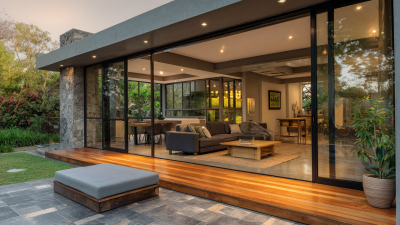
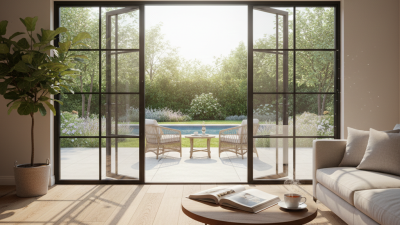
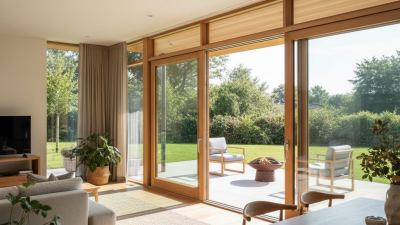
Sliding doors have their own features. They offer a seamless transition between indoor and outdoor spaces. Often made of large glass panels, they can brighten up a room. Some sliding doors open on a track, while others have a pocket design that slides into the wall.
It’s helpful to think about the space you have. A pocket sliding door might require more planning than a standard style.
Consider not just aesthetics, but also energy efficiency. Look for options that provide insulation and temperature control.
These options may affect your overall comfort and energy bills. Choosing the right type isn’t always straightforward, so take your time exploring your options. You may find designs that seem perfect but may not fit your climate or usage.
Evaluating Energy Efficiency Ratings for Your Choice
When choosing windows and sliding doors, energy efficiency is a key consideration. Look for products with high energy efficiency ratings. These ratings often indicate how well a door or window insulates. A good choice can reduce energy costs significantly.
Tips: Check for the Energy Star label. This is an easy way to identify energy-efficient models. Consider double or triple glazing. This can provide better insulation.
Don't forget about frame materials. Some materials perform better in energy efficiency than others. For instance, vinyl and fiberglass offer excellent insulation. Remember, poorly insulated windows can result in drafts.
Also, reflect on your climate. In colder areas, choose models designed for heat retention. In warmer regions, prioritize ventilation and UV protection. Take the time to measure your openings accurately. Miscalculations can lead to inefficiencies, affecting your home comfort.
How to Choose the Best Windows and Sliding Doors for Your Home? - Evaluating Energy Efficiency Ratings for Your Choice
| Type |
Energy Efficiency Rating (U-Value) |
Solar Heat Gain Coefficient (SHGC) |
Air Leakage (AL) |
Material |
| Double-Hung Window |
0.30 |
0.25 |
0.1 |
Vinyl |
| Sliding Glass Door |
0.27 |
0.22 |
0.2 |
Aluminum |
| Casement Window |
0.25 |
0.20 |
0.1 |
Wood |
| Fixed Window |
0.20 |
0.15 |
0.05 |
Fiberglass |
| Tilt and Turn Window |
0.24 |
0.18 |
0.07 |
Composite |
Design Considerations: Style and Aesthetics for Your Home
Choosing windows and sliding doors significantly impacts your home's aesthetics. You want them to blend seamlessly with your overall design. Think about your home’s architectural style. Are you leaning towards modern or traditional? The right choice can enhance its character.
Color and finish matter too. Neutral colors can create a calming effect. However, bold colors can make a striking statement. Consider experimenting with different textures. A matte finish could be interesting against shiny surfaces. Don't forget about the size. Oversized doors can make spaces feel open, but they might overwhelm smaller rooms.
Pay attention to the details. Grid patterns can add charm but might seem outdated for some designs. Mixing materials can also yield unique looks, yet it requires careful coordination. Explore options, but it’s okay to feel unsure. Trust your instincts, but remember that a well-thought-out decision should outlast fleeting trends. Reflect on how each window or door will play a role in your everyday life and overall décor.
Assessing Material Durability and Maintenance Requirements
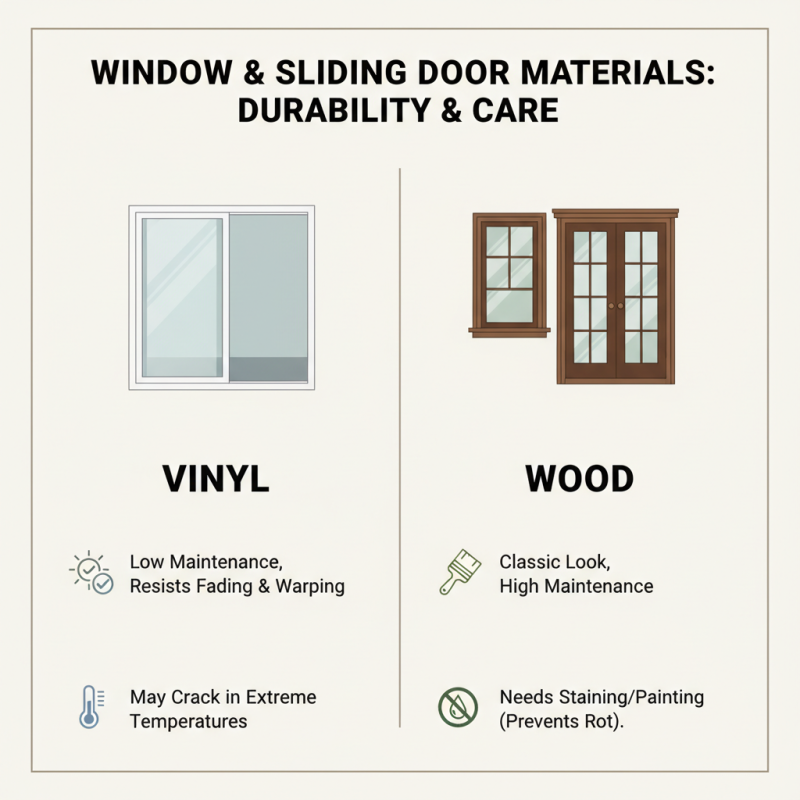
When choosing windows and sliding doors, material durability is crucial. Different materials have varying lifespans and maintenance needs. For instance, vinyl is known for its low upkeep. It resists fading and doesn’t warp. However, when exposed to extreme temperatures, it may crack. Wood offers a classic look but requires more care. It needs regular staining or painting to prevent rot.
Consider your climate and lifestyle as you assess these options. Aluminum is strong and resistant to corrosion, which is great for coastal areas. Yet, it can conduct heat, making it less energy-efficient. Fiberglass combines durability and energy efficiency but may come with a higher initial cost.
While durability is key, think about maintenance. Some materials demand more time and effort. A busy homeowner might prefer options that require minimal work. Reflect on what you can realistically handle. The right choice balances durability, aesthetics, and ease of maintenance.
Budgeting and Cost Factors for Windows and Sliding Doors
Budgeting for windows and sliding doors can be challenging. Various factors influence costs. Material type plays a significant role. Vinyl, wood, and fiberglass have different price points. According to industry reports, vinyl windows are typically 20-30% less expensive than wood alternatives. This cost difference can impact overall project budgets.
Labor costs also matter. Installation fees can range widely based on location and complexity. A simple sliding door may cost around $300 for installation, while more intricate designs can exceed $1,000. Unexpected issues, like structural repairs, can arise. These can inflate budgets significantly.
Consider energy efficiency ratings, too. Windows with better ratings may have a higher upfront cost but can save money in the long run. Studies show energy-efficient installations can reduce energy bills by 15-20%. Reflect on how these choices affect long-term savings versus initial investments. A balance is crucial to avoid overspending, yet still achieving the desired aesthetic and functionality.
Cost Factors for Windows and Sliding Doors