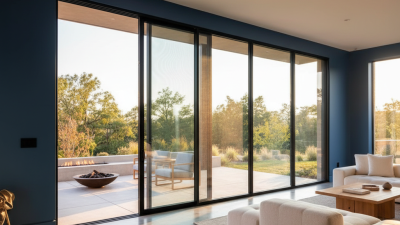
How to Choose the Best Double Sliding Door for Your Home?
Choosing the right double sliding door for your home is crucial. It impacts both aesthetics and function. The perfect door can enhance the beauty of your space while providing easy access to your outdoor areas. However, not every double sliding door suits every home.
Consider your needs and the layout of your living spaces. Are you looking for energy efficiency? Or perhaps enhanced security? Many homeowners overlook these aspects, leading to dissatisfaction later. The right choice will consider style, materials, and features that fit your daily life.
Quality matters when selecting a double sliding door. Look for reputable brands and expert recommendations. However, even well-reviewed products can disappoint. Balance your desires with practical concerns to ensure lasting satisfaction. A thoughtful decision could transform your home, making it a more inviting place.
Understanding Different Types of Double Sliding Doors Available in the Market
When selecting double sliding doors, understanding the different types available in the market is crucial. There are primarily vinyl, aluminum, and wood options. Vinyl doors are energy-efficient, requiring minimal maintenance. According to the American Institute of Architects, these doors can reduce energy costs by up to 30%. However, some homeowners question their durability compared to traditional materials.
Aluminum doors are renowned for their strength and modern aesthetics. They offer sleek designs, yet may lack the same insulation properties as vinyl. Experts note that aluminum can be prone to condensation issues, which may lead to mold if not properly maintained. This could be a significant consideration for those living in humid climates.
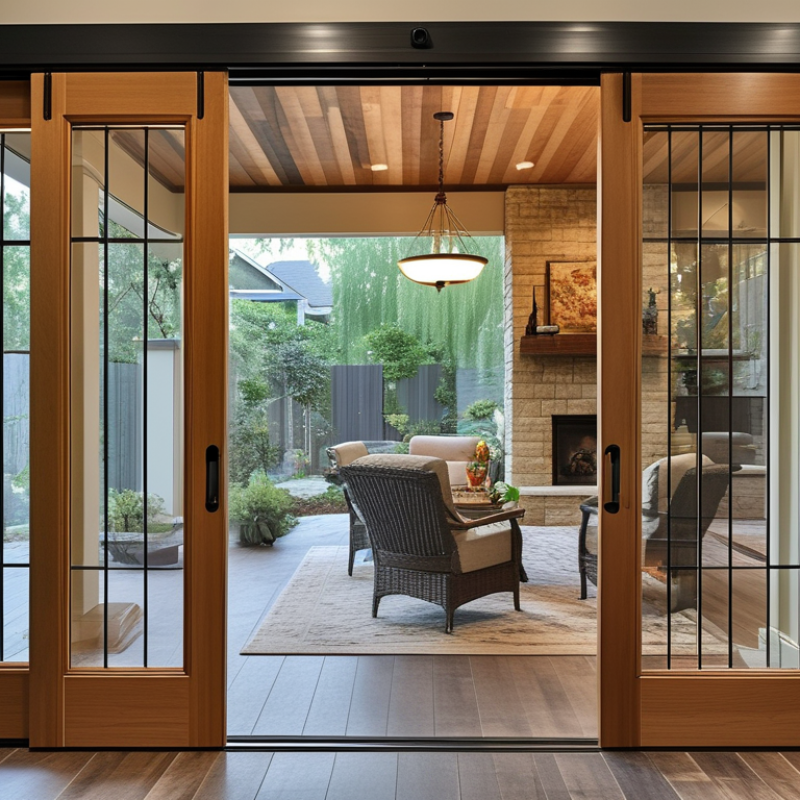
Wood doors exude warmth and classic appeal but come with their own set of challenges. They require regular upkeep to prevent rot and warping. The National Association of Home Builders reports that well-maintained wood doors can last over 30 years. However, this longevity is contingent on environmental factors and care. Potential buyers should consider their climate and willingness to commit to ongoing maintenance.
Evaluating Material Options: Wood, Vinyl, Aluminum, and Fiberglass Performance
Choosing the right material for your double sliding doors is crucial for aesthetics and functionality. Wood is a classic choice. It offers warmth and can match various home styles. However, wood requires regular maintenance. It can warp or rot when exposed to moisture. A report by the American Wood Council found that properly maintained wooden doors can last over 30 years. Yet, many homeowners overlook the upkeep required.
Vinyl doors present an alternative. They are energy-efficient and resist fading. A 2021 study by the Vinyl Siding Institute indicates that vinyl doors can reduce energy costs by 30%. They also require minimal maintenance, appealing to busy homeowners. However, vinyl may not provide the same visual appeal as wood.
Aluminum and fiberglass are also popular. Aluminum frames are durable and sleek. They withstand harsh weather, according to data from the Aluminum Association. Meanwhile, fiberglass offers excellent insulation and resembles wood without the drawbacks. Reports note that fiberglass doors can resist dents and scratches better than wood. They can last decades with proper care. Each material has strengths and weaknesses, requiring careful consideration based on your home's unique needs.
Key Factors in Measuring Space for Optimal Double Sliding Door Installation
When selecting the best double sliding door, space measurement is crucial for a seamless installation. Start by measuring the width and height of the intended area. Take note of any fixtures nearby that could impede the door's movement. Ensure the door can open fully without obstruction. A snug fit is vital, but too tight can cause future issues.
Consider the floor space as well. Sliding doors require a track for smooth operation. Measure how the door interacts with furniture and landscaping. An ideal scenario allows room for movement. This can affect your choice of door size and style.
Consider the ambiance you want to create. Light penetration plays a major role in daily comfort. If privacy is a concern, think about frosted or tinted glass options. Balancing aesthetics and functionality is key. You might want something modern or classic based on your home’s design. Stay flexible during the decision-making process, even if you have a vision in mind. Being open to adjustments can lead to better outcomes.
Energy Efficiency Ratings: Choosing Doors with High R-Value and Low U-Factor
When choosing double sliding doors, energy efficiency is crucial. The R-value and U-factor are key metrics. A high R-value indicates good insulation. This helps keep homes warm in winter and cool in summer. Low U-factor doors minimize heat transfer. They improve energy savings over time, also reducing utility bills.
Opting for doors with poor energy ratings can lead to discomfort. Cold drafts or heat loss in winter can affect indoor temperatures. It’s vital to consider the energy efficiency when selecting materials. Look for double-glazing options to enhance insulation. The spacing between panes reduces thermal exchange effectively.
Research the energy performance of different materials. Wood, vinyl, and aluminum each have unique properties. Some may offer better thermal performance than others. Learning about these features aids in making an informed decision. Consider consulting with professionals to evaluate your options thoroughly. Their expertise can highlight aspects you might overlook, ensuring you choose wisely.
Cost Analysis: Balancing Quality, Installation, and Long-Term Maintenance Expenses
When choosing a double sliding door, cost analysis is vital. Quality materials often come with a higher price tag. Look for options that balance aesthetics and durability. Cheaper doors may save money upfront but could lead to higher long-term maintenance costs. The average lifespan of a door varies; thus, a more expensive option might be the smarter choice over time.
Installation costs can also add to your budget. Professionals typically charge based on complexity. Different door types, like wood or vinyl, have varying installation needs. It's essential to factor in these costs when budgeting. A poorly installed door can lead to issues, causing frustration and extra expenses.
Long-term maintenance must not be overlooked. Some materials require more upkeep, impacting your wallet. For instance, wood doors might need frequent painting or sealing, while fiberglass options may only need occasional cleaning. Evaluate how much time and money you are willing to invest over the door's lifetime. It's a decision that merits careful thought and consideration.
Cost Analysis of Double Sliding Doors