Best Windows and Sliding Doors for Your Home Renovation?
When considering a home renovation, choosing the right windows and sliding doors is crucial. Quality windows and sliding doors not only enhance your home's aesthetic appeal but also improve energy efficiency. According to the National Association of Realtors, nearly 70% of homeowners prioritize energy savings during renovations. This figure highlights the increasing demand for products that meet both style and sustainability.
Research shows that windows account for approximately 25-30% of a home's energy loss. Therefore, selecting energy-efficient options can lead to significant savings over time. Sliding doors, often overlooked, can create a seamless indoor-outdoor flow, adding value to your property. A survey by the American Institute of Architects reveals that sliding doors have become a top-requested feature in modern homes.
With countless options available, it’s essential to approach your choices thoughtfully. Many homeowners find themselves overwhelmed by the variety of materials, styles, and costs. It is important to balance aesthetic preferences with functionality and durability. Reflecting on experiences from previous renovations can guide you in making informed decisions about windows and sliding doors that resonate with your personal style and practical needs.
Types of Windows Suitable for Home Renovation Projects
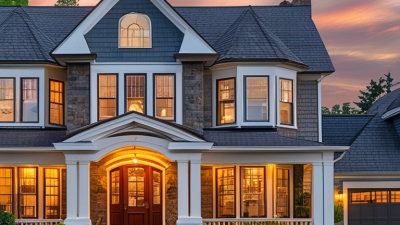
When considering windows for your home renovation, several types can greatly enhance both functionality and aesthetics. Double-hung windows are popular for their classic look and ease of cleaning. They feature two movable sashes, allowing airflow while maintaining security. Bay windows can create a sense of space and light, making them ideal for living areas. Their unique shape can offer stunning views and a cozy reading nook.
Sliding windows are another option worth considering. They are easy to operate and perfect for areas where space is limited. Their modern appearance can complement a contemporary home design. Skylights can add natural light to dim rooms, transforming interiors. However, careful installation is crucial to avoid leaks and issues.
Consider the materials used as well. Vinyl windows are often chosen for their durability and low maintenance. However, they may lack the classic appeal of wooden frames, which require more upkeep. Each option has its pros and cons, and reflecting on your specific needs is key. Take time to assess the overall style and functionality that best fits your home before making a decision.
Best Windows and Sliding Doors for Your Home Renovation
| Type of Window |
Material |
Energy Efficiency Rating |
Average Cost (per unit) |
Best for |
| Double-Hung Window |
Vinyl |
Energy Star |
$300 |
Traditional homes |
| Sliding Window |
Aluminum |
Energy Star |
$350 |
Modern styles |
| Casement Window |
Wood |
Energy Star |
$400 |
Maximum ventilation |
| Awning Window |
Fiberglass |
Energy Star |
$420 |
Rain protection |
| Glass Sliding Door |
Vinyl |
Energy Star |
$600 |
Connecting indoors to outdoors |
Benefits of Choosing Sliding Doors for Your Home
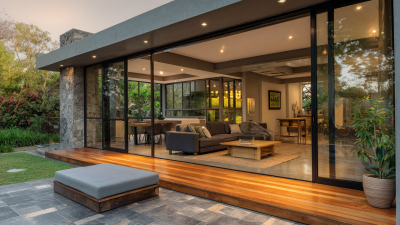
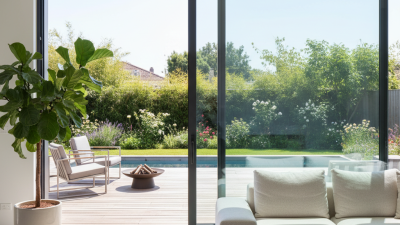
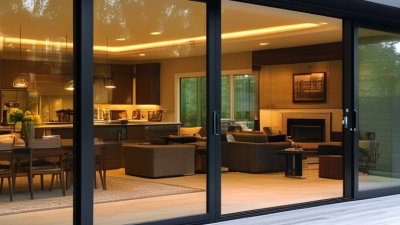
Sliding doors are becoming increasingly popular in modern home renovations. Their ability to seamlessly connect indoor and outdoor spaces is a key benefit. This feature creates a sense of openness and flow, making your home feel larger. Natural light floods in through these expansive glass panels, enhancing the atmosphere of your living space.
Choosing sliding doors also offers practical advantages. They save space since they do not swing open like traditional doors. This is particularly useful in smaller rooms where every inch counts. Many sliding doors come with energy-efficient glass, which helps maintain indoor temperatures and reduces energy bills. However, installing them may require careful consideration of track placement and framing, which can be a challenge for some homeowners.
Aesthetically, sliding doors can elevate your home’s design. They come in various styles, allowing you to align them with your overall decor. Yet, some might find that cleaning the tracks and glass can be cumbersome. Maintaining their appearance is crucial, but it’s an effort that many find worthwhile for the benefits they bring to daily living.
Key Features to Consider When Selecting Windows and Doors
When choosing windows and sliding doors for your home renovation, several key features demand your attention. Energy efficiency is crucial. Look for options with high insulation ratings. These fittings can help reduce your energy bills while ensuring comfort year-round. Consider double or triple glazing for enhanced thermal performance. A good insulation layer makes a significant difference, especially in extreme climates.
Durability is another significant factor. The materials used can impact the lifespan of windows and doors. Opt for materials like fiberglass, vinyl, or treated wood. Each has its pros and cons, and it’s essential to weigh these against your budget. Also, aesthetics play a critical role in your renovation. Choose designs that complement your home’s style. Customization options are worth exploring, as they allow for a more personalized touch.
Security features should not be overlooked. Look for multi-point locking systems for sliding doors. This feature enhances security but also adds convenience. Simultaneously, be mindful of potential installation complications. Professional installation can resolve many of these issues but at a cost. Reflecting on these aspects may lead to the best decision for your home, even if it feels overwhelming at times.
Energy Efficiency and Insulation in Windows and Sliding Doors
When considering windows and sliding doors for home renovation, energy efficiency and insulation are key factors. According to the U.S. Department of Energy, about 30% of residential heating and cooling energy is lost through windows. Thus, selecting high-performance products can drastically lower energy bills. The right windows and sliding doors enhance insulation, keeping homes warmer in winter and cooler in summer.
Many homeowners overlook how frame material impacts energy efficiency. Vinyl and fiberglass frames often provide better thermal resistance than aluminum. Studies show that homes with ENERGY STAR certified windows can save between $126 and $465 annually, depending on their climate zone. Proper installation is also crucial, as improper sealing can lead to drafts that compromise energy efficiency.
Moreover, window treatments and landscaping play a role in overall insulation. Window films and shades can further reduce heat transfer. However, some homeowners may find switching to energy-efficient models daunting. It requires upfront costs that can seem intimidating. Evaluating the long-term savings versus short-term expenses is not always straightforward.
Aesthetic Styles: Matching Windows and Sliding Doors to Your Home Design
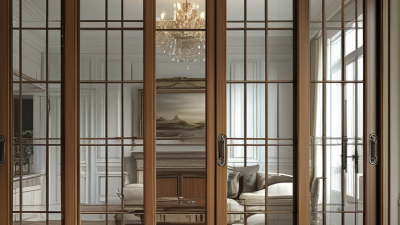
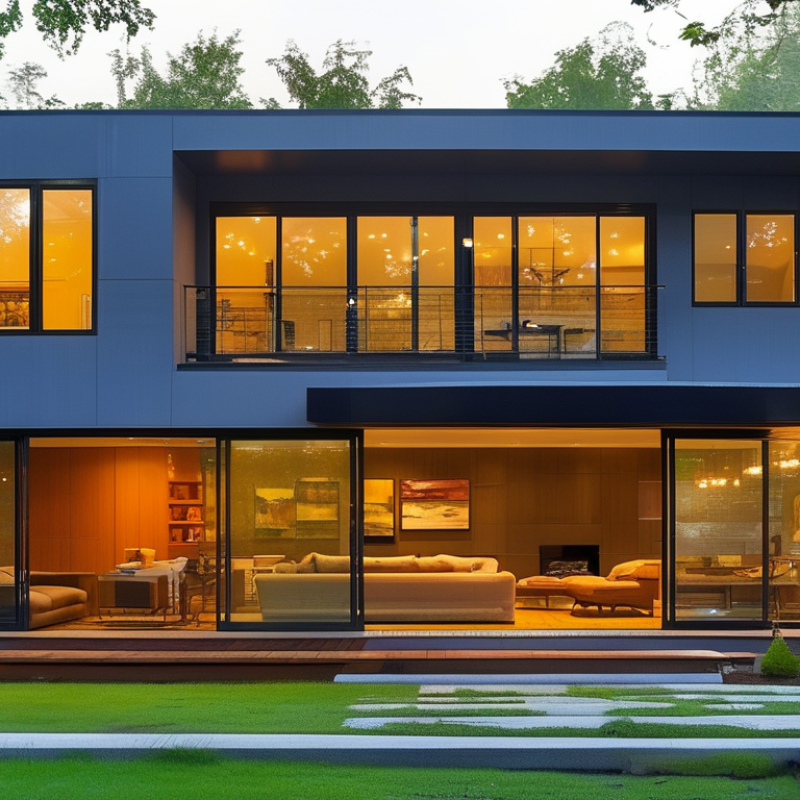
Windows and sliding doors play a crucial role in enhancing your home's aesthetic appeal. They can either blend seamlessly into your design or become standout features. When choosing styles, consider the architecture of your home. A modern home may benefit from sleek, minimalistic designs, while a rustic cottage might look best with wooden frames and unique patterns. Selecting the right materials can also make a significant difference. Wood offers warmth, while metal provides a contemporary touch.
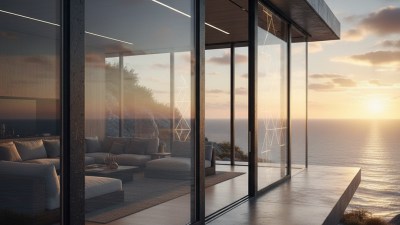
It's vital to evaluate how these elements interact with your existing décor. Reflecting on your home's interior and exterior can help create a cohesive look. Light is another crucial factor. Strategic window placements can maximize natural light, changing the feel of your space dramatically. For sliding doors, consider the view they provide and the flow they create between indoor and outdoor areas.
However, achieving the perfect aesthetic isn't always straightforward. One might find that a chosen style conflicts with other design aspects. Be open to experimenting with different options. It’s essential to reflect on what resonates with your personal taste and functional needs. Balancing style and practicality can lead to unique and beautiful solutions in your renovation journey.