What is the Best Patio Windows and Doors for Your Home?
Choosing the right patio windows and doors is essential for your home. These features can significantly enhance your living space. They connect your indoors with the outdoor environment, providing a seamless flow of light and air.
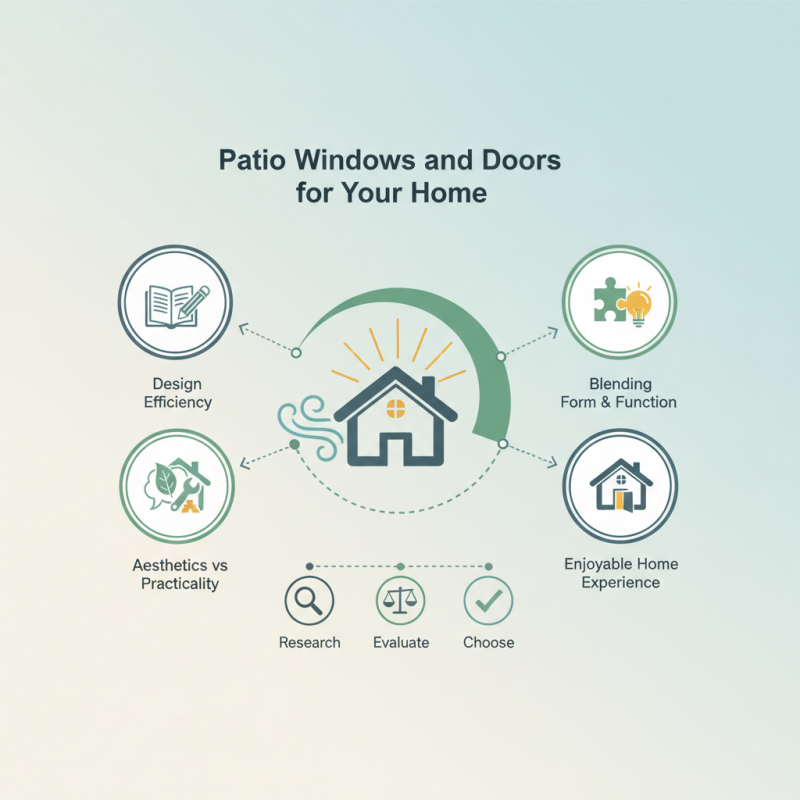
When selecting patio windows and doors, consider various aspects. A great design complements your home's style. Energy efficiency is vital too. You want options that reflect your personality while saving on energy bills.
However, the process may not be straightforward. Not all materials or designs work well in every climate. You might face dilemmas between aesthetics and practicality. Evaluating these elements can be challenging yet rewarding. Ultimately, finding the perfect patio windows and doors means blending form with function. This quest leads to a more enjoyable home experience.
What to Consider When Choosing Patio Windows and Doors for Your Home
Choosing patio windows and doors is a decision that impacts both style and functionality. Consider the space available when making your choice.
Large sliding doors can open up a room and provide stunning views. But, they may not work well in a compact space.
Take measurements carefully. You want a perfect fit.
Tip:
Always sample materials. Touch and feel the textures. Some glass types may appear clear but can alter colors inside. Look for energy-efficient options. This choice directly affects comfort and utility bills. Check for certifications to ensure quality.
Also, think about safety features. Locks and frames should be sturdy to provide peace of mind. A beautiful patio door may seem inviting, but it should not compromise security. Neglecting this can lead to regret.
Tip:
Test the operation of doors and windows. They should slide smoothly without forcing. Small details, like the handle's placement, matter too. It's about the everyday experience. Consider how many times you'll open it. If it's awkward or heavy, you might find yourself wishing for an upgrade.
Energy Efficiency Ratings and Their Impact on Home Comfort
Energy efficiency is a crucial factor in choosing patio windows and doors. According to the U.S. Department of Energy, properly insulated windows can reduce energy costs by up to 30%. This is significant when considering both winter heating and summer cooling. A well-chosen product can improve your home’s overall comfort while saving money.
Ratings such as U-factor and Solar Heat Gain Coefficient (SHGC) are essential. A lower U-factor indicates better insulation. In contrast, a high SHGC can increase heat gain, which is not ideal in warmer climates. Most consumers overlook how these ratings impact their homes. They focus on style instead, which can lead to discomfort and higher energy bills in the long run.
Real-life examples show the difference that energy-efficient options make. Homes with energy-efficient doors report a noticeable drop in temperature fluctuations. They also experience reduced draft issues. This contributes to a more stable indoor environment. Reflecting on these details helps homeowners make informed decisions, leading to improved comfort and energy efficiency.
Popular Materials for Patio Windows and Doors: Pros and Cons
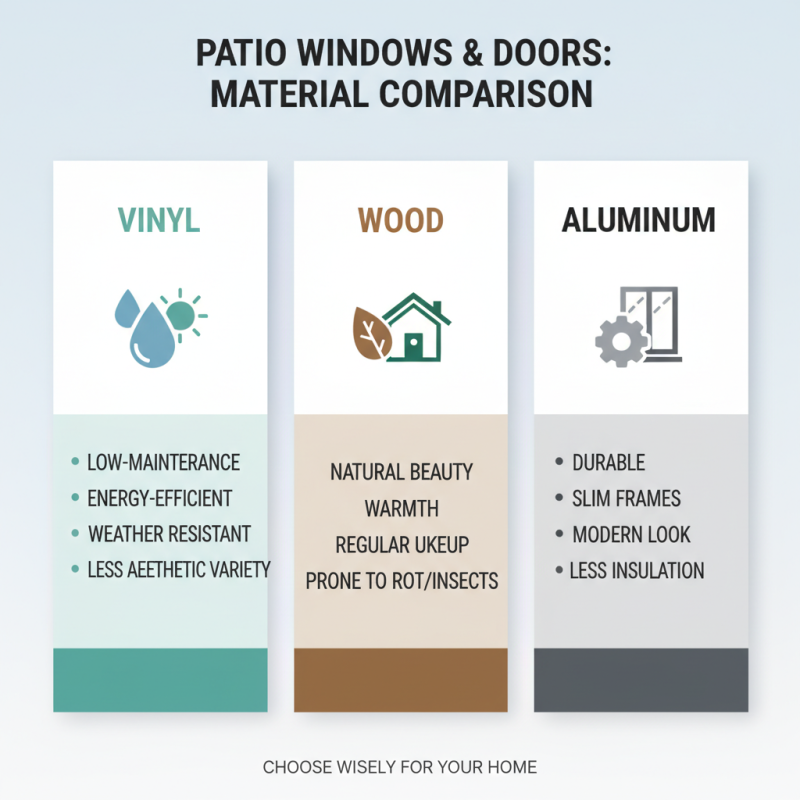
When considering patio windows and doors, choosing the right material is crucial. Popular options include vinyl, wood, and aluminum. Each material has its benefits and challenges. Vinyl is low-maintenance and energy-efficient. It can withstand harsh weather. However, it may lack the aesthetic appeal of wood. Wood offers natural beauty and warmth. Yet, it requires regular upkeep and is prone to rot.
Aluminum is strong and lightweight. It can be customized in various colors. However, it may not provide excellent insulation. Additionally, aluminum can dent easily. Homeowners must weigh these pros and cons carefully. The right choice depends on personal preference, climate, and budget.
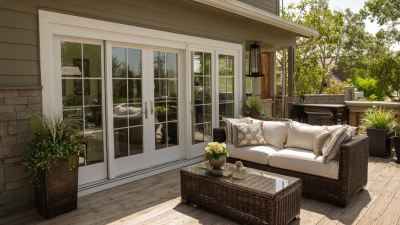
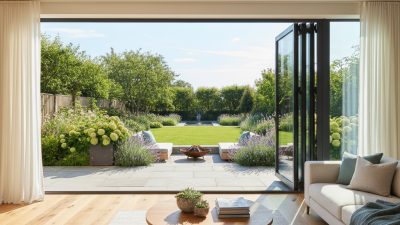
Beyond materials, consider the design and functionality of patio doors and windows. Sliding doors are great for small spaces. French doors can add elegance. Yet, they take up more room when opened. Each option has trade-offs. Reflecting on these choices is essential before making a decision.
Trends in Design: Maximizing Natural Light and Outdoor Views
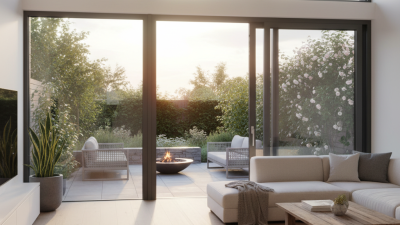
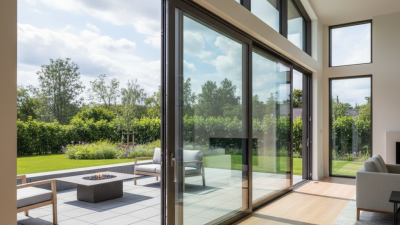
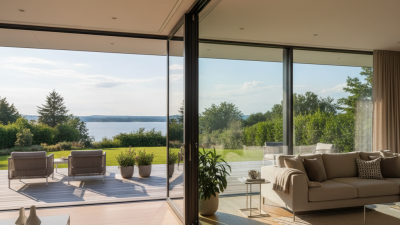
Maximizing natural light and outdoor views is a priority for modern homeowners. Large patio windows and sliding doors are increasingly popular. According to recent studies, homes with expansive glass features can enhance natural light by up to 40%. This can create a brighter, more inviting space, and improve mood and productivity.
When selecting patio windows and doors, consider the glass type. Low-E glass minimizes heat transfer. This efficiency can save up to 25% on monthly energy bills. Also, consider the placement of the windows. South-facing openings capture the most sunlight throughout the day. Don’t forget to think about privacy and glare. Strategic landscaping can offer you a serene view while still allowing ample light in.
Tips: Use sheer curtains to diffuse harsh sunlight. Experiment with window tinting for additional glare reduction. Additionally, try framing your outdoor space with potted plants. They can serve as a natural divider while allowing light to flow in. Remember to balance aesthetics and functionality. Not every choice will be perfect, and that's okay. Embrace the imperfections.
What is the Best Patio Windows and Doors for Your Home? - Trends in Design: Maximizing Natural Light and Outdoor Views
| Type |
Material |
Energy Efficiency Rating |
Features |
Price Range |
| Sliding Glass Door |
Aluminum |
A+ |
Low-e glass, multi-point locking |
$1000 - $2000 |
| French Doors |
Vinyl |
A |
Double pane, customizable colors |
$1200 - $2500 |
| Bi-fold Doors |
Wood |
A++ |
Wide opening, thermal insulation |
$2000 - $4000 |
| Casement Windows |
Fiberglass |
A+ |
Crank mechanism, unobstructed views |
$300 - $700 |
| Picture Windows |
Aluminum |
A+ |
Large fixed glass, no moving parts |
$400 - $900 |
Installation Best Practices for Longevity and Optimal Performance
Choosing patio windows and doors is an important decision. Proper installation plays a critical role in ensuring their longevity and optimal performance. Standard installation techniques may not suit every situation. Each home has unique needs based on design, location, and climate.
Before installation, measure your openings accurately. Gaps can lead to air leaks, causing drafts. Use high-quality materials for framing. An improperly sealed frame can invite moisture, leading to mold and rot. Consider using a professional installer if you lack experience. DIY installations can be tempting but may result in mistakes. Even slight misalignments can create problems.
Check the weatherstripping regularly. It's a small detail but vital. Damaged weatherstripping can compromise insulation and energy efficiency. Take the time to evaluate the overall installation periodically. Reflect on whether adjustments are needed to maintain performance. This proactive approach helps in enjoying your patio space for years to come.
Comparison of Different Patio Windows and Doors